Banishing the B.O. of Your Septic System: How Proper Design Keeps Your Home Smelling Sweet
Let’s face it, nobody wants their home smelling like a sewage treatment plant. And while the thought of a septic tank might make you cringe, the reality is that a well-designed septic system can actually be pretty darn efficient. The key is in the design, folks.
A properly designed system handles waste effectively, keeping those nasty odors at bay. But like any system, it needs a bit of TLC to keep running smoothly. So, grab a cup of coffee, put your feet up, and let’s delve into the world of septic system design and how to keep your home smelling fresh as a daisy.
Understanding the Enemy: The Septic System's "B.O."
The infamous septic smell usually stems from a couple of culprits:
- Hydrogen sulfide gas: This smelly gas is produced by bacteria breaking down organic matter in the septic tank. It's that classic rotten egg aroma.
- Methane: While not as potent as hydrogen sulfide, methane is another byproduct of the decomposition process. It's odorless but highly flammable, so good ventilation is crucial.
These gases can escape into your home if the system isn't designed correctly. The goal is to keep them locked in the tank where they belong, allowing the natural decomposition process to do its thing without impacting your home's air quality.
The Design Secrets to a Smell-Free Septic System
Now, let’s talk about those design secrets that keep those gassy offenders where they belong â€" in the tank, not your nostrils!
1. The Tank: The Heart of the System
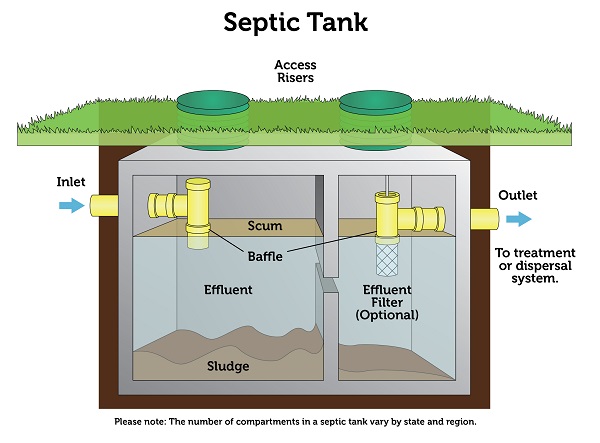
Think of your septic tank as a big, sturdy container that works wonders. It's designed to separate solids from liquids. The solids settle at the bottom, forming a sludge layer. The liquids, known as effluent, flow out to the drain field.
- Proper Size Matters: A tank that's too small can lead to overflow, making your system less effective and possibly creating a smelly situation. Get it right from the start!
- Solid Construction is Key: A sturdy, leak-proof tank is a must. This prevents any sneaky leaks or cracks that could let out those unwanted odors.
- Ventilating is Crucial: A vent pipe helps to release pressure built up in the tank, preventing the formation of a vacuum that could suck up those smelly gases.
2. The Drain Field: Nature's Filter
The drain field is the unsung hero of your septic system. This network of underground pipes and trenches lets the treated effluent slowly filter back into the ground. It's a natural cleaning process!
- Percolation Rate: The soil's ability to absorb water â€" known as the percolation rate â€" is crucial. A good drain field design ensures proper drainage and prevents backups.
- Adequate Size: A large enough drain field allows for effective treatment and prevents the effluent from backing up into your tank. This keeps the smells at bay!
- Proper Distance from Wells: Maintaining adequate distance between your septic system and wells is essential for protecting groundwater and preventing contamination.
3. Other Design Considerations
- Infiltration Basins: These are large, shallow structures that slow down the flow of effluent and allow for more effective treatment, keeping the smells away.
- Aerobic Systems: These systems use oxygen to break down waste, making them particularly effective at eliminating odors. If you have a challenging soil type, these are worth exploring.
Taking Care of Your System: Preventing Smells
Even with a well-designed system, regular maintenance is key to keeping those smells away. Think of it like taking your car in for an oil change.
- Pumping Regularly: Sludge build-up can disrupt the system's flow and cause those nasty smells. Pumping every 3-5 years is typically recommended. Check with your local septic system professional to determine the best frequency for your system.
- Inspecting the System: Don’t forget those routine inspections. A professional can identify any potential problems early on and help you fix them before they turn into a smelly ordeal.
- Avoid Using Harmful Chemicals: Avoid dumping bleach, disinfectants, and other harsh chemicals down the drain. They can disrupt the beneficial bacteria in the tank and create a smelly mess.
- Watch Your Water Use: Too much water can overload the system and cause backup problems. Be mindful of your daily water habits, especially when it comes to laundry, dishwashing, and flushing.
Smells Persist? Calling for Reinforcements
If those smells persist, it's time to call in the professionals. A certified septic system technician can pinpoint the source of the odor and suggest solutions. They might need to:
- Pump the tank: A build-up of sludge could be the culprit. Pumping it out is often the most effective solution.
- Inspect the drain field: A clogged or failing drain field can also cause odors. They may need to repair or replace it.
- Adjust the system: Sometimes, adjustments like adding an aeration system or a different type of filter can solve the odor issue.
The Smell-Free Septic System: A Happy Home
A well-designed and maintained septic system is a valuable investment. It’s not just about keeping your home smelling fresh; it’s about protecting the environment and ensuring your family’s health. Take care of your septic system, and it will take care of you. So, go ahead and breathe easy, knowing your home is a sanctuary â€" not a stink factory!


