How I Took Control of My Septic Tank Smell Problem and Fixed It Fast
The pervasive odor emanating from my septic system was, to put it mildly, unbearable. It permeated the air surrounding my property, impacting not only my family's quality of life but also creating a significant source of anxiety and embarrassment. This article details my systematic approach to identifying the source of the problem, implementing effective remediation strategies, and ultimately achieving a swift and complete resolution. My aim is to provide a comprehensive guide for homeowners facing similar challenges, emphasizing proactive maintenance and informed decision-making.
Identifying the Source of the Septic Odor
Initially, I suspected a simple blockage in the drain field, a common culprit in septic system malfunctions. However, a cursory inspection revealed no obvious signs of surface-level issues. The smell, a pungent combination of sulfur and decaying organic matter, was strongest near the septic tank itself, suggesting the problem lay within the tank or its immediate vicinity. This led me to undertake a more thorough investigation, encompassing several key areas:
Visual Inspection of the Tank and Drain Field
A visual inspection of the tank lid and the surrounding ground revealed no immediate signs of leakage or significant soil saturation. However, the strong odor emanating from the tank access point itself strongly suggested an internal problem. I carefully noted the location and intensity of the odor, paying close attention to any subtle variations in smell that might indicate the source.
Assessing the Septic Tank's Age and Condition
My septic tank was nearing the end of its expected lifespan. Knowing the age of the system is crucial. An aging tank, especially one made of concrete, is more prone to cracks and leaks, leading to the escape of odorous gases. I consulted the original installation documents to confirm the tank's age and the type of material used in its construction. This information proved invaluable in determining the potential causes of the problem and informing my subsequent actions.
Reviewing Usage Patterns and Household Habits
I carefully reviewed our household’s water usage patterns. While we were not significantly increasing our water consumption, I did note an increased use of certain household chemicals, such as drain cleaners and disinfectants. These products, while seemingly harmless, can disrupt the delicate bacterial balance within the septic system, potentially contributing to odor problems. I resolved to reduce our use of harsh chemicals and adopt more environmentally friendly alternatives.
Implementing Remediation Strategies
Armed with a clearer understanding of the likely cause, I implemented a multi-pronged approach to remediate the septic odor. This involved a combination of immediate actions to mitigate the smell and longer-term solutions to prevent future recurrence.
Immediate Odor Control Measures
To immediately address the pervasive odor, I employed several temporary solutions. This included:
- Increased Ventilation: I ensured adequate ventilation in the areas surrounding the septic tank by opening windows and doors whenever possible.
- Odor Neutralizers: I used commercially available septic tank odor neutralizers, following the manufacturer's instructions carefully. It is important to select a product specifically designed for septic systems, as other odor neutralizers may contain chemicals harmful to the beneficial bacteria within the tank.
- Temporary Ground Cover: I temporarily covered the ground surrounding the tank access point with a layer of mulch to help mask the smell and prevent the spread of odor-causing gases.
Long-Term Solutions and Preventative Maintenance
While immediate odor control was necessary, the long-term solution required addressing the potential problems within the septic tank itself. This involved:
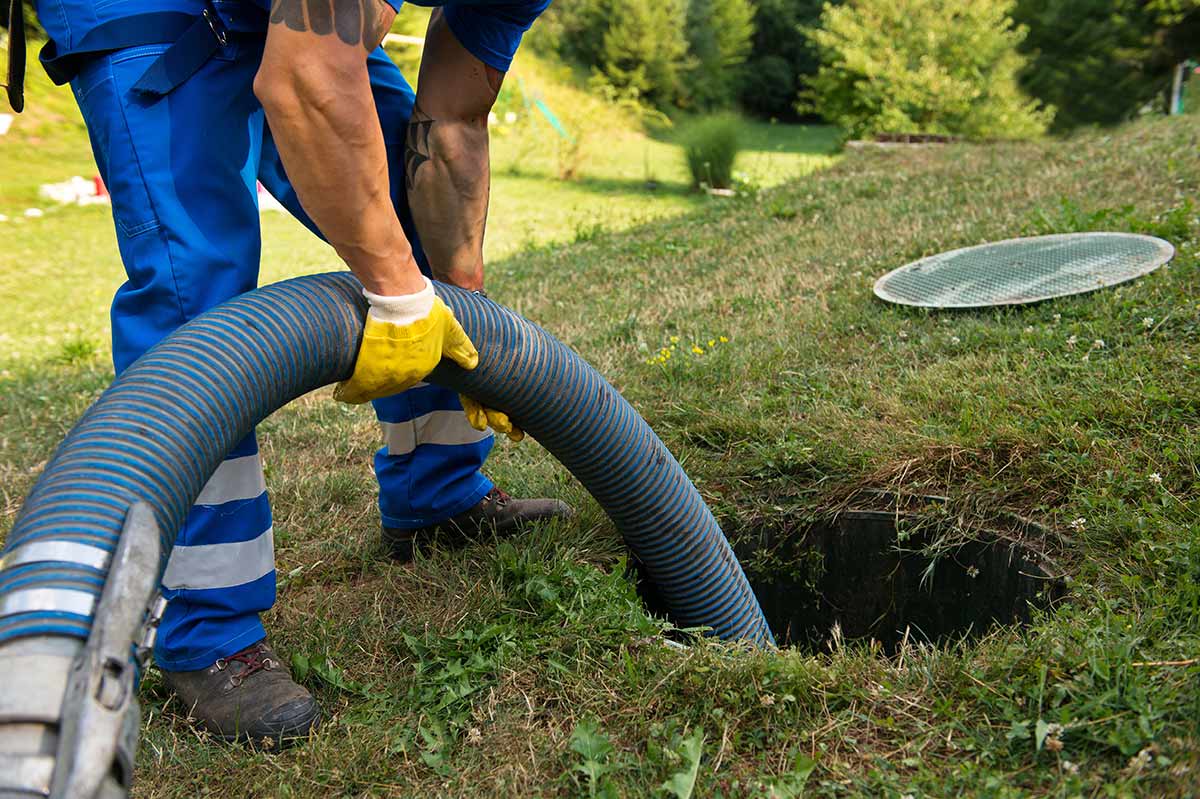
- Professional Inspection and Pumping: I contacted a reputable septic service provider to schedule a thorough inspection and pumping of the septic tank. This service provided a definitive diagnosis of the system’s condition and allowed for the removal of accumulated sludge and scum, both of which can contribute to odor issues. The inspection confirmed my suspicions of an aging tank with minor cracks, further justifying the need for replacement.
- Septic Tank Repair or Replacement: Based on the professional's assessment, I opted for septic tank replacement. The repair of my aging tank would have been costly and potentially ineffective in the long run. A new, modern septic system would provide reliable long-term performance and eliminate the recurring odor problem. The new system was installed according to all local building codes and regulations.
- Regular Maintenance Schedule: A crucial aspect of preventing future septic issues is establishing a regular maintenance schedule. This includes regular pumping of the tank (every 3-5 years, depending on usage), annual inspections to check for any leaks or blockages, and the avoidance of harmful chemicals. This proactive approach ensures the longevity and efficiency of the septic system, preventing costly repairs and unpleasant odors.
Lessons Learned and Recommendations
My experience dealing with a persistent septic tank odor highlighted the importance of proactive septic system maintenance. Neglecting regular inspections and maintenance can lead to costly repairs and significant disruption to daily life. My recommendations for homeowners are as follows:
- Regular Inspections: Schedule annual inspections by a qualified septic professional to identify potential problems early.
- Scheduled Pumping: Maintain a regular pumping schedule based on your household size and water usage.
- Avoid Harmful Chemicals: Minimize the use of harsh chemicals that can disrupt the bacterial balance in your septic system.
- Know Your System: Familiarize yourself with the location, age, and type of your septic system. This knowledge is crucial for addressing problems quickly and effectively.
- Proper Disposal of Waste: Avoid disposing of materials that could clog or damage your septic system, such as grease, feminine hygiene products, and excessive amounts of paper.
- Monitor for Unusual Odors: Pay close attention to any unusual odors emanating from your property. A subtle change in smell can indicate a potential problem that needs immediate attention.
By following these recommendations, homeowners can significantly reduce the risk of experiencing unpleasant septic tank odors and ensure the long-term health and efficiency of their septic systems. Addressing a septic odor issue promptly and effectively can save significant time, money, and considerable stress.


