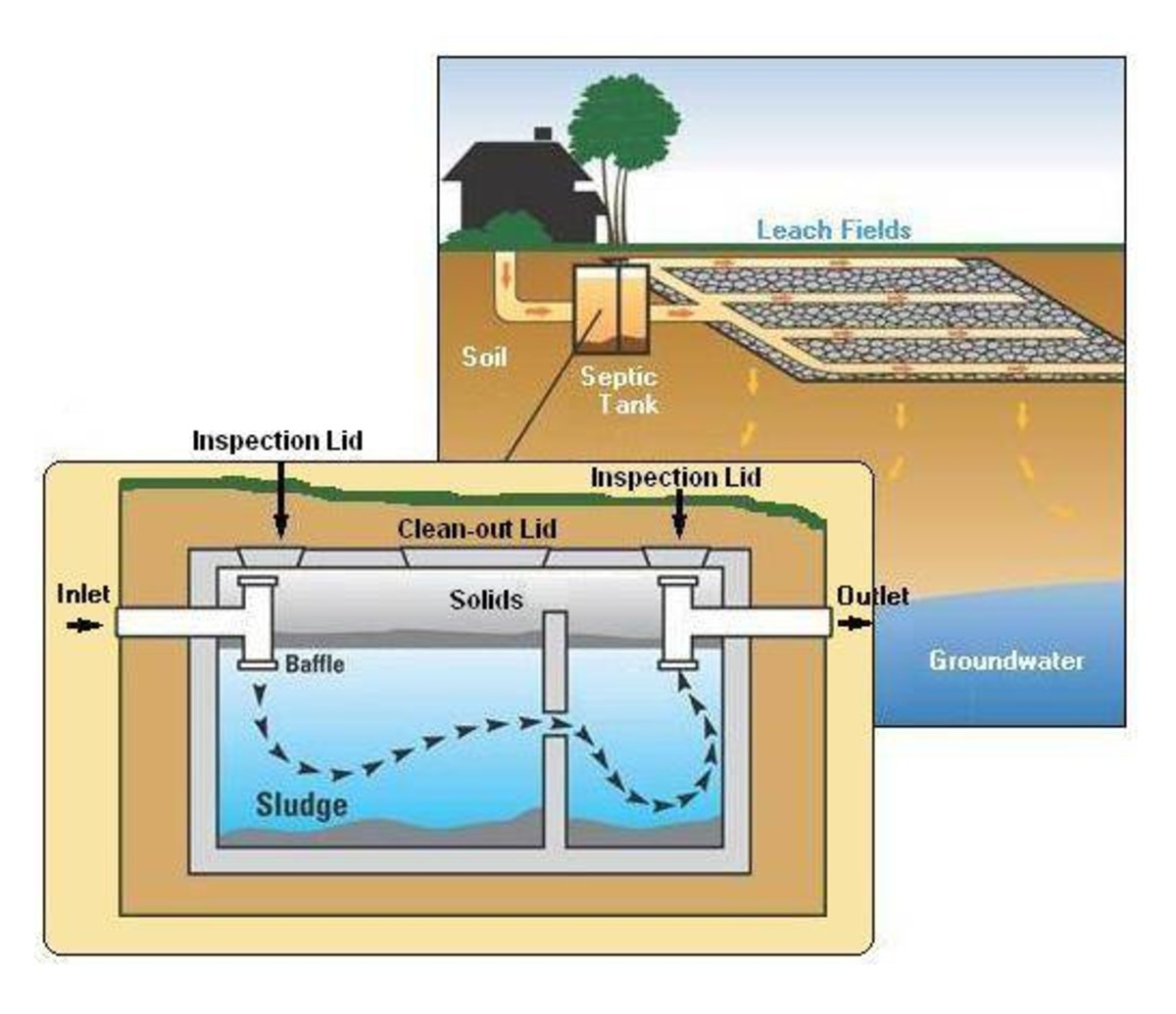
While septic systems are effective at treating wastewater, they can sometimes emit unpleasant odors, particularly if not properly maintained. These odors can be a nuisance and an indicator of potential problems within the system. Understanding how septic system use impacts odor production is crucial for effective management. This article explores various strategies for minimizing odor from septic tanks by optimizing system usage.
Understanding the Source of Odor:
Septic tank odors are primarily caused by the breakdown of organic matter, like food scraps, human waste, and paper products, by anaerobic bacteria in the tank. This decomposition process releases various volatile organic compounds (VOCs) including hydrogen sulfide (rotten egg smell), ammonia (pungent, stinging odor), and methane (natural gas odor). These gases can escape the tank through vents, leaks, or even through the soil, leading to noticeable odors.
Factors Contributing to Odor:
Several factors can influence the intensity and frequency of septic tank odors:
Overloading the System: Exceeding the system's designed capacity by excessive water use or improper waste disposal can overwhelm the bacteria's ability to break down waste effectively. This leads to a buildup of undigested material, creating a breeding ground for odor-producing bacteria.
Lack of Maintenance: Regular septic tank pumping, inspection, and cleaning are vital for removing accumulated sludge and scum. Failure to do so can lead to clogging, reduced efficiency, and an increase in odor.
Faulty Components: Damaged or improperly installed components like vent pipes, distribution boxes, and leach fields can cause backups and allow odors to escape.
Soil Conditions: Poor soil drainage can slow down the decomposition process and promote odor production.
Climate: Hot, humid weather can accelerate bacterial activity, leading to increased odor production.
Managing Septic System Use for Odor Control:
Conserving Water: Reducing water usage is crucial for preventing overloading and promoting optimal bacteria activity. Implementing water-saving measures such as low-flow showerheads, efficient toilets, and using washing machines and dishwashers only when fully loaded can significantly reduce the volume of water entering the septic tank.
Proper Waste Disposal: Avoiding the disposal of harmful substances into the septic system is vital. Never flush items like:
Flushable wipes: These often contain synthetic materials that don't break down readily.
Medication: Pharmaceuticals can affect the bacteria's efficiency and contaminate groundwater.
Grease and Oils: These substances form a layer on top of the tank, hindering bacterial activity and contributing to clogging.
Hair and Lint: Excessive amounts of hair and lint can accumulate and impede the flow of wastewater.
Excessive Paper: Too much paper can overwhelm the system and lead to slow decomposition.
Maintaining Good Hygiene: Proper toilet hygiene is essential for minimizing odor. Avoid excessive toilet paper use and ensure adequate flushing to prevent clogs and odors.
Regular Inspections and Pumping: Schedule routine inspections by a qualified septic professional to monitor the system's health and identify potential problems early. Have the tank pumped out every 3-5 years, or more frequently if necessary, to remove accumulated sludge and scum.
Proper Ventilation: Ensuring adequate ventilation is crucial for dissipating odor-producing gases. Regularly inspect and clean vent pipes to prevent clogging and ensure proper air circulation.
Addressing Leaks and Clogging: Promptly address any leaks in the system or evidence of clogging to prevent backups and odor build-up.
Optimizing Landscaping: Avoid planting trees or shrubs directly above the leach field, as their roots can damage the system and interfere with drainage. Consider using drought-tolerant landscaping to reduce water use and promote soil health.
Using Odor Neutralizers: While not a substitute for proper maintenance, odor neutralizers can temporarily mask unpleasant smells. However, they should only be used as a short-term solution and should not be relied upon for long-term odor control.
Signs of a Failing Septic System:
It's crucial to recognize signs of a failing septic system, as these can contribute to excessive odor:
Recurring Odors: Persistent or intensifying septic tank odors, particularly after heavy rainfall or periods of excessive water use, can indicate a problem.
Gurgling Sounds: Gurgling noises in drains or toilets might suggest a backup or blockage in the system.
Slow Drains: Slower than usual drainage in sinks, showers, or toilets can be a sign of an overloaded or malfunctioning system.
Soggy or Waterlogged Areas: Standing water or excessively damp areas around the leach field might indicate a drainage issue.
Visible Sewage: Overflowing sewage is a clear sign of a serious problem and requires immediate attention.
Preventing Odors Through Proper System Design:
The best way to minimize odors is to ensure the septic system is properly designed and installed. Consider these points when planning a new system or upgrading an existing one:
Tank Size: The tank should be adequately sized to accommodate the anticipated wastewater volume.
Leach Field Design: The leach field should be sufficiently large and well-maintained to ensure efficient wastewater filtration and drainage.
Soil Type: The soil's permeability and drainage characteristics should be evaluated to ensure proper leach field functioning.
Proper Placement: The septic system should be positioned away from well water sources and areas prone to flooding.
Professional Assistance:
If you experience persistent odors despite implementing these measures, it's essential to consult a qualified septic professional. They can assess the system, identify potential issues, and provide tailored solutions for odor mitigation. They can also provide guidance on maintenance schedules and best practices for managing your septic system effectively.
Conclusion:
By understanding the causes of septic tank odors and adopting proactive management strategies, homeowners can significantly reduce their occurrence and create a more pleasant living environment. Implementing water conservation measures, proper waste disposal practices, regular maintenance, and addressing potential issues promptly are crucial steps for ensuring a healthy, efficient, and odor-free septic system. Remember, a well-maintained septic system not only reduces unpleasant odors but also safeguards the environment and promotes overall property value.


