Keep Your Septic Tank Smelling Fresh: A Guide to Avoiding Odor Problems
Living with a septic system can be a rewarding experience, offering independence from public sewer systems. However, a common concern for many homeowners is the potential for unpleasant odors. While septic tanks are designed to break down waste effectively, neglecting proper maintenance can lead to foul smells wafting from your property. Fortunately, a few simple practices can help keep your septic system odor-free and functioning efficiently.
Understanding the Source of Septic Odors
The primary culprit behind septic odors is hydrogen sulfide gas, a byproduct of the bacteria breaking down waste in your tank. This gas can escape through cracks in the tank, vent pipes, or even seep into your home through drains. When you smell a rotten egg odor, it's a clear sign that your septic system needs attention.
Essential Maintenance for a Fresh-Smelling Septic System
Regular Inspections and Pumping
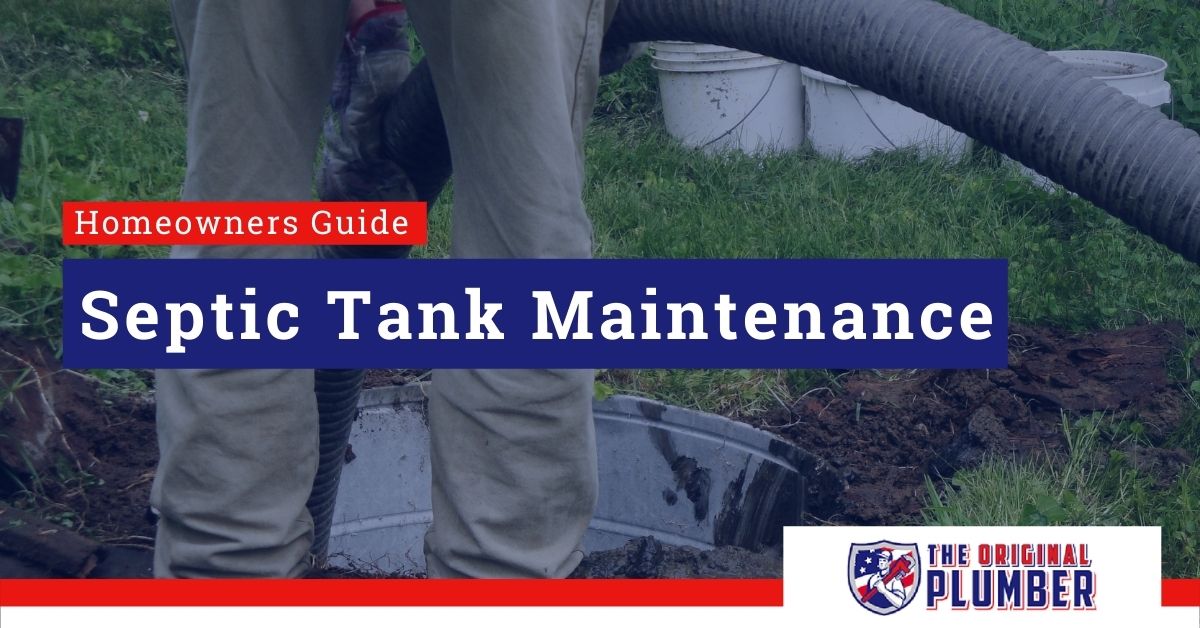
The cornerstone of a healthy septic system is regular maintenance. Schedule professional inspections every 3-5 years to check for any issues with your tank or drain field. Pumping out your septic tank every 3-5 years is crucial to remove accumulated sludge and prevent overflows. This proactive approach prevents the buildup of waste and reduces the likelihood of foul odors.
Water Conservation
Excessive water usage can overwhelm your septic system, leading to back-ups and foul smells. Be mindful of your water consumption. Take shorter showers, install low-flow showerheads and toilets, and fix any leaks promptly. By reducing water usage, you ensure your system functions effectively and minimizes odor problems.
Avoid Flushing Unnecessary Items
Your septic system is designed to handle human waste and toilet paper, but it's not a garbage disposal. Avoid flushing anything other than those essentials, including:
- Wipes (even those labeled flushable)
- Paper towels
- Disposable diapers
- Food scraps
- Grease and oil
Use Septic Tank Additives
Septic tank additives containing beneficial bacteria can help break down waste more effectively. These additives promote a healthier environment within your tank, reducing odor-causing compounds and improving overall performance. Consult with a septic tank professional for recommendations on suitable additives.
Maintain Your Drain Field
The drain field plays a crucial role in filtering wastewater from your septic tank. Avoid driving or parking heavy vehicles over the drain field area. Plant grass or other shallow-rooted vegetation over the field to help absorb water and discourage weeds. Regular inspection and maintenance of your drain field are essential for preventing odor issues and maintaining efficient drainage.
Addressing Septic Tank Odors When They Appear
Despite your best efforts, unpleasant odors might still arise. If you notice a foul smell coming from your septic system, don't ignore it. Here's how to handle the situation:
- Check for leaks: Look for any cracks or leaks in the septic tank, vent pipes, or drain field. Repair any leaks promptly to prevent odors from escaping.
- Use a deodorizer: Septic tank deodorizers can help neutralize unpleasant odors. Look for products specifically designed for septic systems and follow the manufacturer's instructions.
- Ventilate the area: Open windows and doors to circulate fresh air and dissipate odor molecules.
- Contact a professional: If you suspect a serious problem, such as a blocked pipe or a failing septic system, contact a qualified septic technician. They can diagnose the issue and recommend appropriate solutions.
Conclusion
Maintaining your septic tank doesn't have to be a chore. By implementing these simple practices, you can keep your septic system running smoothly and prevent unpleasant odors from permeating your home. Remember, a well-maintained septic system is a healthy system and a happy, odor-free home.


