How to Fix Septic Tank Odor in Small Homes
A septic system is an essential component of a small home's sanitation infrastructure. It's a self-contained system that treats wastewater before releasing it back into the environment. While a properly functioning septic system is largely odorless, malfunctions or neglect can lead to unpleasant odors permeating your home.
Dealing with septic tank odor can be frustrating, especially in a small home where the smell can be more noticeable. This article will guide you through the common causes of septic tank odor and provide practical solutions for eliminating it.
Understanding the Causes of Septic Tank Odor
Septic tank odors typically arise from the breakdown of organic waste in the tank, which releases hydrogen sulfide, methane, and ammonia. These gases can escape through various pathways, including:
1. Vent Pipe Blockage or Malfunction:
Every septic system has a vent pipe that extends above the roofline. This pipe allows sewer gases to escape into the atmosphere, preventing pressure build-up in the system. Blockages in the vent pipe, due to bird nests, debris, or corrosion, can force sewer gases back into the house through drains or other openings.
2. Septic Tank Overflow:
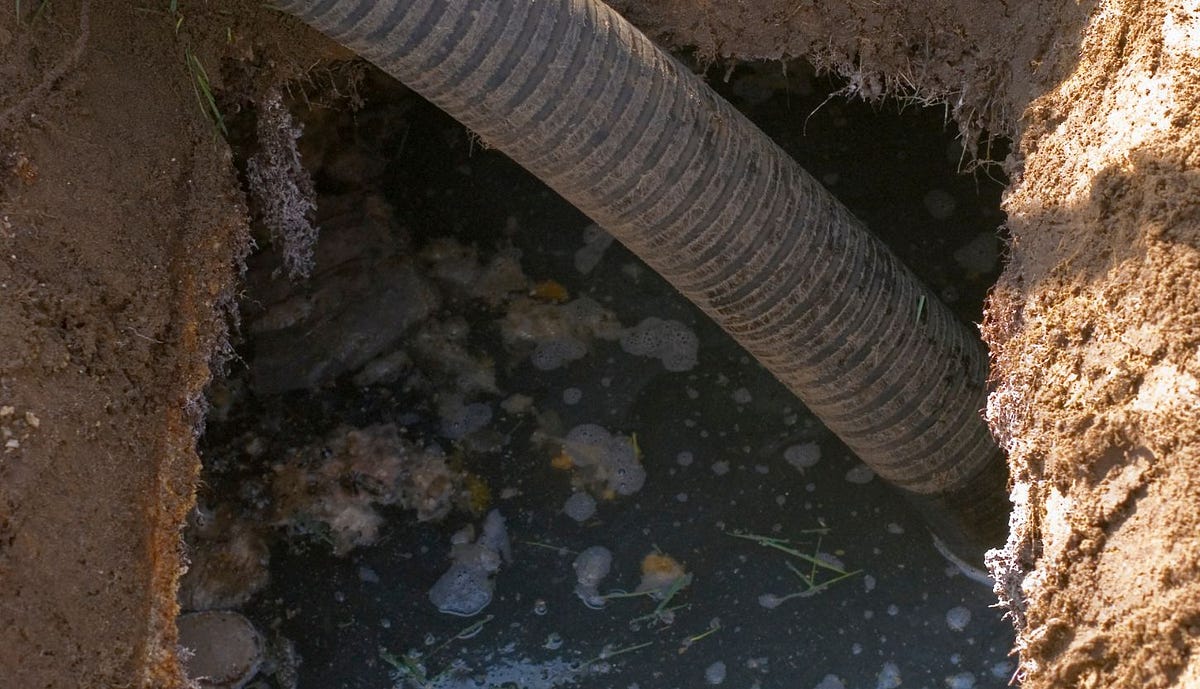
If the septic tank is full or overflowing, the wastewater can back up into the drain field or even into the house, releasing foul odors. This usually occurs when the tank is not pumped regularly, or when the drain field is overloaded.
3. Drain Field Issues:
The drain field is the system's soil filtration system. When the drain field is clogged or damaged, it can restrict the flow of wastewater, leading to backups and odors. Common causes of drain field issues include:
- Excessive loading with wastewater
- Poor drainage due to compacted soil
- Roots from trees or shrubs growing into the field
4. Leaking Pipes:
Cracks or leaks in the sewer pipes connecting your home to the septic tank can allow sewer gases to escape into your home. These leaks can occur in both the interior and exterior plumbing, and often go unnoticed until they become severe enough to emit odors.
5. Improperly Sealed Drain Traps:
Drain traps are U-shaped sections of pipe filled with water that act as a barrier to prevent sewer gases from entering your home. If the water in the trap evaporates or is drained away, the barrier is broken, allowing odors to escape.
How to Fix Septic Tank Odor in Small Homes
Addressing septic tank odor requires a systematic approach. Here are steps you can take to identify and resolve the source of the problem:
1. Inspect the Vent Pipe:
Start by inspecting the vent pipe on your roof. Look for any visible blockages or signs of corrosion. If the vent pipe is obstructed, you may need to clear it using a plumbing snake or professional services.
2. Check for Septic Tank Overflow:
If you suspect a septic tank overflow, it's crucial to contact a professional septic tank service immediately. They can assess the situation, pump out the tank if necessary, and determine if there are any other underlying issues.
3. Assess the Drain Field:
Inspect the drain field for any visible signs of problems, such as standing water, lush vegetation, or sunken areas. If you notice any issues, it's best to consult with a septic tank specialist to determine the cause and the appropriate course of action.
4. Investigate Leaking Pipes:
If you suspect leaking pipes, you may need to call a plumber to inspect the sewer line leading to the septic tank. They can use specialized equipment to locate leaks and recommend repair or replacement options.
5. Check Drain Traps:
Ensure that all drain traps in your home are filled with water. If any traps are empty, simply pour water down the drain to refill them. You can also use a drain trap sealant to prevent evaporation.
6. Preventative Measures:
To prevent future septic tank odor issues, adopt these preventive measures:
- Pump your septic tank regularly: A professional septic tank pumping service should be scheduled every 2-3 years, or more frequently if you have a large household.
- Avoid flushing non-biodegradable items: Do not flush items like wipes, paper towels, hair, or grease down the toilet. These items can clog the pipes and contribute to septic system malfunctions.
- Conserve water: Minimize the amount of water you use daily, such as by taking shorter showers and using water-efficient appliances. This helps to reduce the strain on your septic system.
- Avoid planting trees near the drain field: Tree roots can penetrate the drain field and cause blockages. If you have trees near your septic system, ensure they are properly pruned to prevent roots from growing into the drain field.
Professional Assistance
While many septic tank odor issues can be addressed with simple troubleshooting, some problems require professional intervention. If the odor persists or you suspect a serious problem with your septic system, don't hesitate to contact a qualified septic tank service. They have the expertise and equipment to diagnose and resolve complex issues.
A professional septic tank service can perform tasks like:
- Inspecting the entire system
- Pumping and cleaning the septic tank
- Repairing or replacing damaged pipes
- Assessing and repairing the drain field
- Providing preventative maintenance advice
Conclusion
Addressing septic tank odor in a small home involves a methodical approach. By understanding the common causes of the problem and implementing the solutions outlined in this article, you can effectively eliminate the odor and maintain a healthy and comfortable living environment. Remember that preventative measures play a crucial role in preventing future issues, so consider investing in regular septic system maintenance to ensure its long-term functionality.


