Archive for November 2024
What Are the Easiest DIY Solutions for Septic Tank Smells?

Easiest DIY Solutions for Septic Tank Smells
Unpleasant odors emanating from a septic system are a common and unwelcome problem for homeowners. While a professional inspection and potential servicing are often necessary for serious issues, several simple DIY solutions can effectively address many instances of septic tank smells. These methods primarily focus on mitigating odor sources and improving the overall health of the septic system, thus preventing the release of foul-smelling gases. It is crucial to remember that these DIY solutions are for minor odor problems; persistent or worsening smells warrant a call to a qualified septic tank professional.
Understanding the Source of Septic Odors
Before attempting any DIY solutions, understanding the source of the odor is paramount. Septic tank smells are typically caused by the release of gases produced during the anaerobic decomposition of organic waste. These gases, including hydrogen sulfide (responsible for the characteristic "rotten egg" smell), methane, and ammonia, can escape through various pathways if the system is not functioning correctly.
Common Culprits for Septic Tank Odor - Leaks in the septic tank or pipes: Cracks or deteriorated seals can allow gases to escape directly into the surrounding soil and subsequently into the air.
- Insufficient ventilation: A properly functioning septic system requires adequate ventilation to prevent a buildup of gases. A blocked vent stack can lead to pressure buildup and odor release.
- Overloading the system: Excessive wastewater input can overwhelm the system's capacity, leading to inefficient decomposition and increased gas production.
- Improper maintenance: Lack of regular pumping can result in sludge buildup, reducing the system's efficiency and causing odors.
- Clogged drain field: A blocked or poorly functioning drain field prevents the effective dispersal of treated wastewater, leading to a buildup of gases.
- High water table: A high water table can impede the drainage of treated wastewater from the drain field, causing backups and odors.
Simple DIY Solutions for Odor Control
Addressing septic tank odors often involves a multi-pronged approach that combines immediate odor control with preventative measures. The following DIY solutions can tackle mild odor problems and potentially prevent more serious issues from developing:
1. Enzyme Treatments
Enzyme treatments are readily available at home improvement stores and online. These products contain beneficial bacteria and enzymes that accelerate the breakdown of organic waste in the septic tank. This process reduces the amount of foul-smelling gases produced. Follow the manufacturer's instructions carefully regarding dosage and application. Regular use can significantly improve the system's efficiency and minimize odor issues.
2. Baking Soda and Vinegar
A simple and readily available home remedy involves using a combination of baking soda and vinegar. Pour one cup of baking soda down the toilet followed by one cup of vinegar. The resulting fizzing reaction can help to neutralize some of the unpleasant smells. While this method offers temporary relief, it's not a long-term solution and should be considered supplementary to other, more comprehensive strategies. This is most effective for addressing minor odors that may be originating from plumbing traps within the house rather than the septic tank itself.
3. Aerating the System
Improving the aeration of your septic system can greatly reduce odor. If you suspect that the vent stack might be blocked, check for any obstructions. A professional may need to be called in for complex issues. Simple obstructions can sometimes be cleared by carefully using a plumbing snake, but exercise caution and only attempt this if you have experience with plumbing. Ensure that the vent stack is unobstructed and allows for proper air circulation. Adequate airflow prevents the buildup of gases within the tank.
4. Maintaining Proper Water Usage
Avoid overloading your septic system. Excessive use of water can overwhelm the system's capacity. Be mindful of water usage, especially when using appliances like washing machines and dishwashers. Try to space out these large water-using appliances to reduce the strain on your septic system. Avoid flushing inappropriate items down the toilet, such as excessive amounts of toilet paper, feminine hygiene products, or disposable wipes. These items can contribute to clogs and inefficient waste processing.
5. Regular Septic Tank Pumping
Regular pumping of the septic tank is crucial for preventing odor problems and maintaining the overall health of the system. The frequency of pumping depends on various factors, including the size of the tank, the number of people using the system, and the amount of wastewater generated. Consult a septic professional to determine the appropriate pumping schedule for your specific system. A full septic tank will lead to backup and potential odor problems.
6. Planting Vegetation
Planting vegetation around the drain field area can help to naturally absorb and filter the wastewater. This can help to reduce the risk of odor release. However, it’s vital to choose plants that have shallow root systems to prevent damage to the drain field pipes. Avoid planting trees near the drain field as their roots could penetrate and cause damage. Consult a landscaping professional for guidance on suitable vegetation.
When to Call a Professional
While DIY solutions can address minor odor problems, persistent or worsening smells necessitate professional intervention. Do not ignore recurring or strong septic odors. A professional septic tank service can diagnose the underlying cause of the problem, which may involve issues beyond the scope of simple DIY remedies. Prompt professional attention prevents potentially costly and extensive repairs that can result from neglecting a problem.
- Persistent foul odors: If smells persist despite employing DIY methods, a professional assessment is necessary.
- Slow draining: Slow-draining sinks, showers, or toilets could indicate a blockage or other system malfunction.
- Visible signs of sewage: Any visible signs of sewage backing up, leaking, or surfacing indicate a serious problem requiring immediate professional attention.
- Gurgling noises in pipes: Gurgling sounds from your pipes can be an indicator of system issues and possible blockages.
- Unexpectedly high water usage: Unusually high water bills suggest a possible leak in the system.
In conclusion, addressing septic tank odors often requires a proactive and multi-faceted approach. While several DIY solutions can provide temporary relief and prevent minor issues from escalating, it's crucial to remember that persistent or worsening smells necessitate the expertise of a qualified professional. Regular maintenance, including proper waste disposal habits and timely professional service, is key to maintaining a healthy and odor-free septic system.
How I Took Control of My Septic Tank Smell Problem and Fixed It Fast
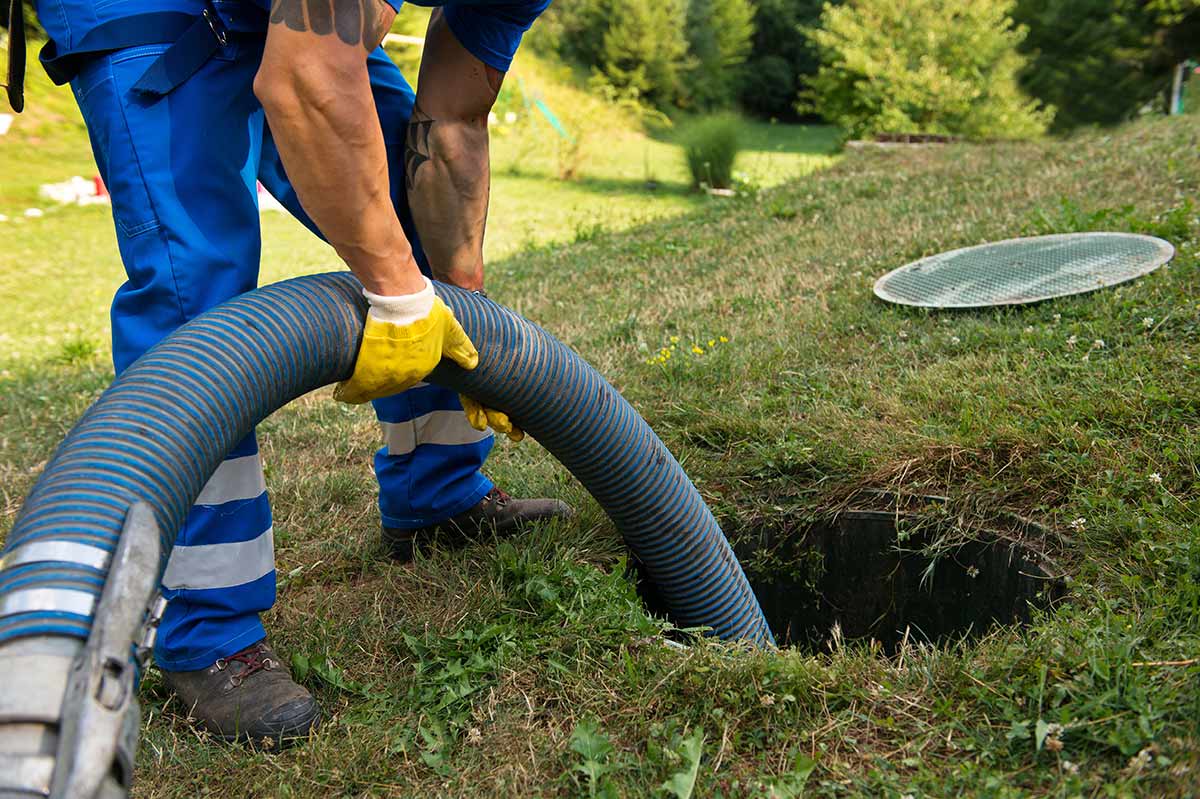
How I Took Control of My Septic Tank Smell Problem and Fixed It Fast
The pervasive odor emanating from my septic system was, to put it mildly, unbearable. It permeated the air surrounding my property, impacting not only my family's quality of life but also creating a significant source of anxiety and embarrassment. This article details my systematic approach to identifying the source of the problem, implementing effective remediation strategies, and ultimately achieving a swift and complete resolution. My aim is to provide a comprehensive guide for homeowners facing similar challenges, emphasizing proactive maintenance and informed decision-making.
Identifying the Source of the Septic Odor
Initially, I suspected a simple blockage in the drain field, a common culprit in septic system malfunctions. However, a cursory inspection revealed no obvious signs of surface-level issues. The smell, a pungent combination of sulfur and decaying organic matter, was strongest near the septic tank itself, suggesting the problem lay within the tank or its immediate vicinity. This led me to undertake a more thorough investigation, encompassing several key areas:
Visual Inspection of the Tank and Drain Field
A visual inspection of the tank lid and the surrounding ground revealed no immediate signs of leakage or significant soil saturation. However, the strong odor emanating from the tank access point itself strongly suggested an internal problem. I carefully noted the location and intensity of the odor, paying close attention to any subtle variations in smell that might indicate the source.
Assessing the Septic Tank's Age and Condition
My septic tank was nearing the end of its expected lifespan. Knowing the age of the system is crucial. An aging tank, especially one made of concrete, is more prone to cracks and leaks, leading to the escape of odorous gases. I consulted the original installation documents to confirm the tank's age and the type of material used in its construction. This information proved invaluable in determining the potential causes of the problem and informing my subsequent actions.
Reviewing Usage Patterns and Household Habits
I carefully reviewed our household’s water usage patterns. While we were not significantly increasing our water consumption, I did note an increased use of certain household chemicals, such as drain cleaners and disinfectants. These products, while seemingly harmless, can disrupt the delicate bacterial balance within the septic system, potentially contributing to odor problems. I resolved to reduce our use of harsh chemicals and adopt more environmentally friendly alternatives.
Implementing Remediation Strategies
Armed with a clearer understanding of the likely cause, I implemented a multi-pronged approach to remediate the septic odor. This involved a combination of immediate actions to mitigate the smell and longer-term solutions to prevent future recurrence.
Immediate Odor Control Measures
To immediately address the pervasive odor, I employed several temporary solutions. This included:
- Increased Ventilation: I ensured adequate ventilation in the areas surrounding the septic tank by opening windows and doors whenever possible.
- Odor Neutralizers: I used commercially available septic tank odor neutralizers, following the manufacturer's instructions carefully. It is important to select a product specifically designed for septic systems, as other odor neutralizers may contain chemicals harmful to the beneficial bacteria within the tank.
- Temporary Ground Cover: I temporarily covered the ground surrounding the tank access point with a layer of mulch to help mask the smell and prevent the spread of odor-causing gases.
Long-Term Solutions and Preventative Maintenance
While immediate odor control was necessary, the long-term solution required addressing the potential problems within the septic tank itself. This involved:
- Professional Inspection and Pumping: I contacted a reputable septic service provider to schedule a thorough inspection and pumping of the septic tank. This service provided a definitive diagnosis of the system’s condition and allowed for the removal of accumulated sludge and scum, both of which can contribute to odor issues. The inspection confirmed my suspicions of an aging tank with minor cracks, further justifying the need for replacement.
- Septic Tank Repair or Replacement: Based on the professional's assessment, I opted for septic tank replacement. The repair of my aging tank would have been costly and potentially ineffective in the long run. A new, modern septic system would provide reliable long-term performance and eliminate the recurring odor problem. The new system was installed according to all local building codes and regulations.
- Regular Maintenance Schedule: A crucial aspect of preventing future septic issues is establishing a regular maintenance schedule. This includes regular pumping of the tank (every 3-5 years, depending on usage), annual inspections to check for any leaks or blockages, and the avoidance of harmful chemicals. This proactive approach ensures the longevity and efficiency of the septic system, preventing costly repairs and unpleasant odors.
Lessons Learned and Recommendations
My experience dealing with a persistent septic tank odor highlighted the importance of proactive septic system maintenance. Neglecting regular inspections and maintenance can lead to costly repairs and significant disruption to daily life. My recommendations for homeowners are as follows:
- Regular Inspections: Schedule annual inspections by a qualified septic professional to identify potential problems early.
- Scheduled Pumping: Maintain a regular pumping schedule based on your household size and water usage.
- Avoid Harmful Chemicals: Minimize the use of harsh chemicals that can disrupt the bacterial balance in your septic system.
- Know Your System: Familiarize yourself with the location, age, and type of your septic system. This knowledge is crucial for addressing problems quickly and effectively.
- Proper Disposal of Waste: Avoid disposing of materials that could clog or damage your septic system, such as grease, feminine hygiene products, and excessive amounts of paper.
- Monitor for Unusual Odors: Pay close attention to any unusual odors emanating from your property. A subtle change in smell can indicate a potential problem that needs immediate attention.
By following these recommendations, homeowners can significantly reduce the risk of experiencing unpleasant septic tank odors and ensure the long-term health and efficiency of their septic systems. Addressing a septic odor issue promptly and effectively can save significant time, money, and considerable stress.
The Simple Steps I Took to Eliminate Septic Tank Odor from My Lawn

Eliminating Septic Tank Odor from Your Lawn: A Comprehensive Guide
The unpleasant aroma emanating from a malfunctioning septic system can significantly detract from the enjoyment of one's property. A persistent septic tank odor, often manifesting as a sulfurous or sewage-like smell in the vicinity of the drain field, is not only offensive but can also indicate underlying issues requiring immediate attention. This guide details a systematic approach to identifying the source of the odor and implementing effective solutions, progressing from simple preventative measures to more involved remediation strategies.
Identifying the Source of the Septic Odor
Before embarking on any remediation efforts, pinpointing the precise source of the odor is crucial. A thorough investigation can save time, money, and prevent the application of ineffective solutions. The odor may not originate directly from the septic tank itself but rather from a compromised drain field, a leaking pipe, or even accumulated organic matter in the surrounding soil.
Visual Inspection of the Drain Field
The drain field, where wastewater is dispersed into the ground, is a common culprit. A visual inspection should be conducted to check for signs of saturation, such as excessively wet or soggy patches of grass. These areas may exhibit lusher, greener vegetation than the surrounding lawn due to excess moisture. Conversely, excessively dry or cracked soil may also indicate a problem, suggesting a possible blockage or insufficient dispersal of wastewater.
Evaluating the Septic Tank and Access Points
Examine the septic tank itself for any visible cracks or leaks. Check the access points, including lids and pipes, for any signs of damage or misalignment which could be allowing the escape of gases. Any visible damage requires immediate professional attention.
Tracing the Odor Source
On days with little wind, carefully note the areas where the odor is most concentrated. This can help localize the source, narrowing down the possibilities. If the odor is prevalent near specific areas of the lawn, it may suggest a leak in the underground piping connecting the house to the septic tank or problems within the drain field itself.
Considering Seasonal Variations
Septic odor tends to be more pronounced during warmer months when microbial activity within the tank is heightened. Increased decomposition rates lead to a greater production of gases. Understanding seasonal variations can help determine if the odor is a persistent issue or a temporary phenomenon exacerbated by weather conditions.
Simple Steps to Mitigate Septic Odor
Once the source has been (at least tentatively) identified, several straightforward steps can be taken to address the problem. These preliminary measures often resolve minor issues and can significantly reduce or eliminate unpleasant smells.
Maintaining Proper Septic Tank Function
Regular pumping is essential to prevent septic tank overflow and subsequent odor problems. The frequency of pumping depends on factors such as household size, wastewater volume, and tank capacity. Consult a professional to determine the appropriate pumping schedule for your specific system.
Avoiding Septic Tank Overload
Avoid overloading the system with excessive amounts of wastewater. This can be achieved through responsible water usage habits, such as limiting long showers and avoiding flushing inappropriate items down the toilet.
Addressing Clogs and Blockages
Check for blockages in drain lines. Tree roots or accumulated grease can cause obstructions, leading to wastewater backup and odor release. A plumbing professional can effectively diagnose and resolve such issues.
Aerating the Soil Around the Drain Field
Improve soil aeration around the drain field. Compacted soil hinders the dispersal of wastewater and promotes anaerobic conditions, contributing to odor production. Core aeration can help improve drainage and reduce odors.
Advanced Techniques for Odor Elimination
If the initial steps prove ineffective, more advanced measures may be necessary to eliminate the septic odor. These techniques often require specialized equipment or professional intervention.
Septic Tank Additives and Treatments
Bacterial treatments and enzyme products can help break down organic matter within the septic tank, reducing the production of foul-smelling gases. These products are readily available at most home improvement stores, but it's crucial to select a product specifically designed for septic systems and to follow the manufacturer's instructions carefully.
Repairing or Replacing Damaged Components
If a visual inspection reveals damage to the septic tank, drain field, or pipes, repair or replacement may be necessary. This is best handled by experienced septic professionals who can assess the extent of the damage and implement appropriate solutions. Delaying repairs can lead to more significant and costly problems.
Professional Septic System Evaluation
A professional evaluation is recommended if the odor persists despite implementing various remedies. A qualified septic technician can conduct a thorough inspection using specialized equipment to identify hidden problems, such as leaks or blockages in underground pipes, or to assess the functionality of the drain field. They can provide accurate diagnoses and recommend suitable repair or replacement strategies.
Enhancing the Drain Field
In some cases, the drain field may be failing due to saturation or compaction. Options include installing a new drain field entirely or employing techniques to improve the existing system's efficiency. These solutions can be costly and require professional expertise.
Preventative Maintenance for Long-Term Odor Control
Proactive measures are crucial for preventing future septic odor problems. Implementing a preventative maintenance program can safeguard against costly repairs and maintain a pleasant environment.
By following these steps and maintaining a proactive approach, homeowners can effectively eliminate septic tank odor from their lawns and ensure the long-term health and efficiency of their septic systems. Remember that addressing septic issues promptly is crucial, preventing minor problems from escalating into major and costly repairs.
How to Treat Septic Tank Issues Without Resorting to Pumping

How to Treat Septic Tank Issues Without Resorting to Pumping
A septic tank is a crucial part of any home's wastewater system, and when it malfunctions, it can lead to unpleasant and costly problems. While pumping is often the first solution that comes to mind, there are several ways to address septic tank issues without resorting to this drastic measure. Implementing these strategies can save you money and reduce the environmental impact of your home's wastewater disposal.
Preventative Maintenance is Key
The best approach to septic tank issues is to prevent them in the first place. Regular maintenance can significantly reduce the likelihood of encountering major problems. Here are some essential tips for preventative maintenance:
Inspect Regularly
Schedule a professional inspection of your septic system every 3-5 years. This allows a qualified technician to identify potential issues early on and recommend appropriate solutions.
Limit Grease and Oil Discharge
Grease and oil are notorious for clogging septic systems. Minimize their discharge by using grease traps in your kitchen and avoiding pouring cooking oil down the drain. Dispose of used oil responsibly through designated collection points or recycling centers.
Avoid Flushing Unnecessary Items
Flushing anything other than toilet paper and human waste can overwhelm your septic system. Avoid flushing items such as wipes, paper towels, feminine hygiene products, and medications. These items do not readily decompose and can cause clogs.
Conserve Water
Excessive water usage can stress your septic system. Implement water conservation measures in your household, such as using low-flow showerheads, fixing leaks promptly, and watering lawns during cooler hours.
Addressing Minor Septic Tank Issues
Sometimes, you may encounter minor issues with your septic system before it reaches a critical point. In such cases, you can take proactive steps to address the problem without resorting to pumping:
Identify and Address Minor Clogs
If you notice slow drainage or gurgling sounds in your sinks, you may have a minor clog. Try using a plunger or a drain snake to clear the obstruction. If this doesn't work, you can try a commercial drain cleaner, but use it sparingly and according to the manufacturer's instructions.
Utilize Septic Tank Additives
Septic tank additives are designed to enhance the breakdown of waste and prevent clogging. These products typically contain bacteria and enzymes that accelerate the decomposition process. Consult a septic tank professional to choose the right additive for your system.
Consider a Septic Tank Filter
Installing a filter in your septic tank can help trap solid waste before it reaches the drain field, reducing the risk of clogging. Filters can be cleaned or replaced periodically, ensuring optimal performance of your system.
When Pumping is Inevitable
Despite your best efforts, there may be instances when pumping your septic tank is unavoidable. Here are some signs that indicate a need for professional pumping:
If you observe any of these signs, it is essential to contact a qualified septic tank professional to address the issue promptly.
Conclusion
While pumping is a necessary part of septic tank maintenance, it is not always the first solution. By implementing preventative measures and addressing minor issues proactively, you can significantly reduce the frequency of pumping and prolong the life of your septic system. Remember that early detection and prompt action are crucial to maintaining a healthy and efficient septic system for your home.
How to Improve Septic Tank Odor Control with the Right Eliminators

How to Improve Septic Tank Odor Control with the Right Eliminators
Living with a septic system presents unique challenges, and odor control is often a top concern. Unpleasant smells emanating from the septic tank or drain field can be embarrassing and disrupt the enjoyment of your living space. Fortunately, various effective methods and products can help neutralize and eliminate these odors. This comprehensive guide explores the best septic tank odor eliminators and provides practical tips for improving odor control in your home.
Understanding Septic Tank Odor Sources
Septic tank odors typically arise from the breakdown of organic waste within the tank. As bacteria decompose waste, they produce gases like hydrogen sulfide (responsible for the "rotten egg" smell), ammonia, and methane. These gases can escape into the surrounding environment through vents, pipes, or cracks in the system. Several factors can exacerbate odor issues:
- Overloading the tank with excessive waste.
- Inadequate ventilation or blocked vents.
- Leaks or cracks in the tank or pipes.
- Improper maintenance or infrequent pumping.
- Age and condition of the septic system.
Types of Septic Tank Odor Eliminators
Numerous products are available to address septic tank odors, each with its unique mechanism and effectiveness:
Bacterial Treatments
Bacterial treatments contain beneficial bacteria that accelerate the breakdown of organic waste within the septic tank. These bacteria consume waste and produce less odor-causing gas. They are generally safe for the environment and can improve the overall efficiency of the septic system. Popular options include:
- Liquid bacterial additives: These are readily available at hardware and home improvement stores. They are typically added to the tank monthly or as needed.
- Granular bacterial additives: These are often sold in packets or tubs. They dissolve in the tank and release bacteria over time.
- Bioaugmentation treatments: These concentrated bacterial formulas are designed for severe odor problems or septic system issues.
Enzyme Treatments
Enzyme treatments utilize enzymes to break down complex organic compounds in the septic tank. These enzymes effectively digest grease, fats, and proteins, reducing the amount of waste available for bacteria to decompose and minimize odor production. Enzyme treatments are often combined with bacterial additives for optimal results.
Chemical Deodorizers
Chemical deodorizers mask unpleasant odors by releasing fragrances. While these products can temporarily hide smells, they do not address the underlying cause of the odor. Additionally, some chemical deodorizers may be harmful to the environment or the septic system's bacteria. It's essential to choose environmentally friendly and septic-safe deodorizers.
Natural Solutions
For a more eco-conscious approach, consider natural odor control solutions like:
- Baking soda: Sprinkle baking soda directly into the toilet bowl or the septic tank to absorb odors. It's an effective and affordable option.
- Vinegar: Pour a cup of white vinegar down the drain to neutralize odors. The acidic properties of vinegar help to break down waste and eliminate unpleasant smells.
- Citrus peels: Throw citrus peels into the garbage disposal or down the drain to release natural citrus fragrances and neutralize odors.
Effective Odor Control Strategies
Beyond using odor eliminators, several practical measures can significantly improve septic tank odor control:
Proper Maintenance
Regular maintenance is crucial for a well-functioning septic system and effective odor control. This includes:
- Pumping the tank: Have your septic tank pumped every 3-5 years or as recommended by your local regulations. This removes accumulated sludge and prevents overloading, reducing odor production.
- Inspecting the system: Check for any leaks, cracks, or blockages in the tank, pipes, or drain field. Repairing any damage promptly will prevent odor issues from worsening.
- Avoiding excessive waste: Minimize the amount of waste going into the septic system. Use water-saving devices, avoid flushing unnecessary items, and dispose of grease and fats properly.
Ventilation
Adequate ventilation is essential for releasing trapped gases from the septic tank and preventing odors from accumulating in the home. Ensure the septic tank vent pipe is unobstructed and extends at least 12 inches above the roofline.
Water Usage
Consistent water usage helps maintain the septic system's efficiency. Ensure the system receives sufficient water to flush waste properly. Use water-saving devices and consider adding water to the system occasionally if it's not receiving enough.
Drain Field Care
The drain field is responsible for filtering wastewater. Avoid driving or parking over the drain field area, as this can damage the system and lead to odor issues. Also, avoid planting trees or shrubs close to the drain field, as their roots can infiltrate and block the system.
Choosing the Right Eliminator
Selecting the most suitable septic tank odor eliminator depends on your specific needs and circumstances:
- Mild odors: Natural solutions like baking soda or vinegar may be sufficient to eliminate mild odors.
- Moderate odors: Bacterial treatments are effective for moderate odors. They help break down waste and reduce gas production.
- Severe odors: Enzyme treatments or bioaugmentation products may be necessary for severe odor issues. These powerful formulas target specific compounds and accelerate the decomposition process.
- Environmental concerns: Consider using environmentally friendly and septic-safe products to avoid harming the bacteria and ecosystem.
Conclusion
By understanding the sources of septic tank odors and implementing the right odor control strategies, you can effectively eliminate unpleasant smells and maintain a comfortable living environment. Regular maintenance, proper ventilation, and the use of effective odor eliminators are essential for a healthy and odor-free septic system. Remember to choose products that are compatible with your septic system and follow the manufacturer's instructions carefully.
How Old Septic Tanks Contribute to Odors: What You Can Do

Old Septic Tanks and Their Unpleasant Odors: Causes and Solutions
A septic system is an essential component of many homes, especially those not connected to public sewer systems. It's responsible for treating and disposing of wastewater, but over time, the system can experience issues, leading to unpleasant odors. Older septic tanks, in particular, are prone to odor problems, which can significantly impact your home's comfort and value. This article delves into the causes of odor issues in old septic tanks and provides comprehensive solutions for restoring a pleasant environment in your home.
Understanding the Septic System and Its Odors
A septic system comprises a tank and a leach field. Wastewater enters the tank, where solid waste settles at the bottom, forming sludge, while lighter materials, like grease and oil, float to the top, creating a layer of scum. Anaerobic bacteria in the tank break down the organic matter, releasing gases like methane and hydrogen sulfide, which are responsible for the characteristic septic odor. As the bacteria work, they release nutrients that are absorbed by the soil in the leach field.
Older septic tanks, however, can become less efficient in this process due to several factors:
Common Causes of Septic Tank Odors
- Sludge and Scum Buildup: As the tank ages, sludge and scum accumulate at the bottom and top, respectively. These layers can become thick and impede the flow of wastewater, reducing the bacteria's effectiveness and leading to a buildup of odor-producing gases.
- Damaged or Leaky Tank: Cracked or broken tanks allow raw sewage to leak into the surrounding soil, creating an unpleasant odor. Corrosion, ground movement, or even tree roots can cause damage to the tank over time.
- Clogged or Failing Leach Field: The leach field distributes treated wastewater into the soil, where bacteria further break it down. Over time, the leach field can become clogged with solid matter, reducing its efficiency and causing odor problems. This can be exacerbated by poor drainage or excessive use of the system.
- Improper Ventilation: Septic tanks should be adequately ventilated to prevent a buildup of gases. If the vent pipe is blocked or damaged, odors can easily escape into the home.
- Poor Maintenance Practices: Insufficient maintenance, such as infrequent pumping, can contribute to sludge and scum buildup, leading to odors.
Resolving Septic Tank Odors
Addressing odor issues in an old septic tank requires a multi-pronged approach that involves inspecting the system, addressing potential issues, and implementing proper maintenance practices. Here's a detailed guide to resolve the odor problem:
Inspecting the System
The first step involves a thorough inspection of the septic system. This can be done by a qualified septic tank inspector. They will assess the following:
- Tank Condition: The inspector will look for signs of damage, such as cracks, leaks, or corrosion. They will also check the tank's capacity and sludge levels.
- Leach Field Condition: The inspector will assess the leach field's condition, looking for signs of clogging, pooling, or surface water. They can determine if the field needs to be repaired or replaced.
- Vent Pipe: The inspector will check the vent pipe for any blockages or damage. They will also ensure that the vent pipe extends at least a few feet above the roofline.
Addressing Potential Issues
Based on the inspection results, you can address specific issues:
- Tank Pumping: Regular pumping of the septic tank is crucial for removing sludge and scum. For older tanks, pumping may be required more frequently. Contact a licensed septic tank pumper for this service. The frequency of pumping depends on the size of your tank and the number of people living in the house. A general rule of thumb is to pump every 3-5 years.
- Tank Repairs: If the tank is damaged, it needs to be repaired or replaced. Depending on the extent of the damage, repairs may involve patching cracks or leaks, while extensive damage necessitates a complete replacement.
- Leach Field Repair or Replacement: If the leach field is clogged or failing, it may need to be repaired or replaced. Repairs could involve clearing clogs or distributing wastewater more effectively. In severe cases, a new leach field may be required.
- Vent Pipe Maintenance: Make sure the vent pipe is unobstructed and extends above the roofline. If necessary, clear any blockages or repair damage to the pipe. Proper ventilation is essential for preventing odor problems.
Implementing Proper Maintenance Practices
After addressing any immediate issues, implementing proper maintenance practices is crucial for preventing future odor problems. These practices include:
- Regular Pumping: As mentioned earlier, regular pumping is essential for preventing sludge and scum buildup. Follow the recommended schedule for your septic system, and consider pumping more frequently if you experience heavy use or notice signs of odor problems.
- Avoid Flushing Harmful Substances: Do not flush non-biodegradable substances down the toilet, such as sanitary wipes, paper towels, or feminine hygiene products. These items can clog the system and contribute to odor issues.
- Manage Grease and Oil: Avoid pouring grease or oil down the drain. Instead, dispose of them properly. Grease and oil can solidify in the tank and hinder its efficiency.
- Water Conservation: Reduce water usage to minimize the load on the septic system. Take shorter showers, fix leaky faucets, and use water-efficient appliances.
- Maintain Yard Drainage: Ensure proper yard drainage to prevent water from infiltrating the leach field. This can help prevent clogging and odor issues.
Conclusion
Old septic tanks can be prone to odor problems due to various factors, including sludge and scum buildup, damaged or leaking tanks, clogged or failing leach fields, improper ventilation, and poor maintenance practices. To effectively address these issues, a thorough inspection, addressing identified problems, and implementing proper maintenance practices are essential. By taking these steps, you can ensure your old septic tank functions efficiently and keeps your home free from unpleasant odors.
How to Maintain Your Septic Tank to Avoid Smell Issues
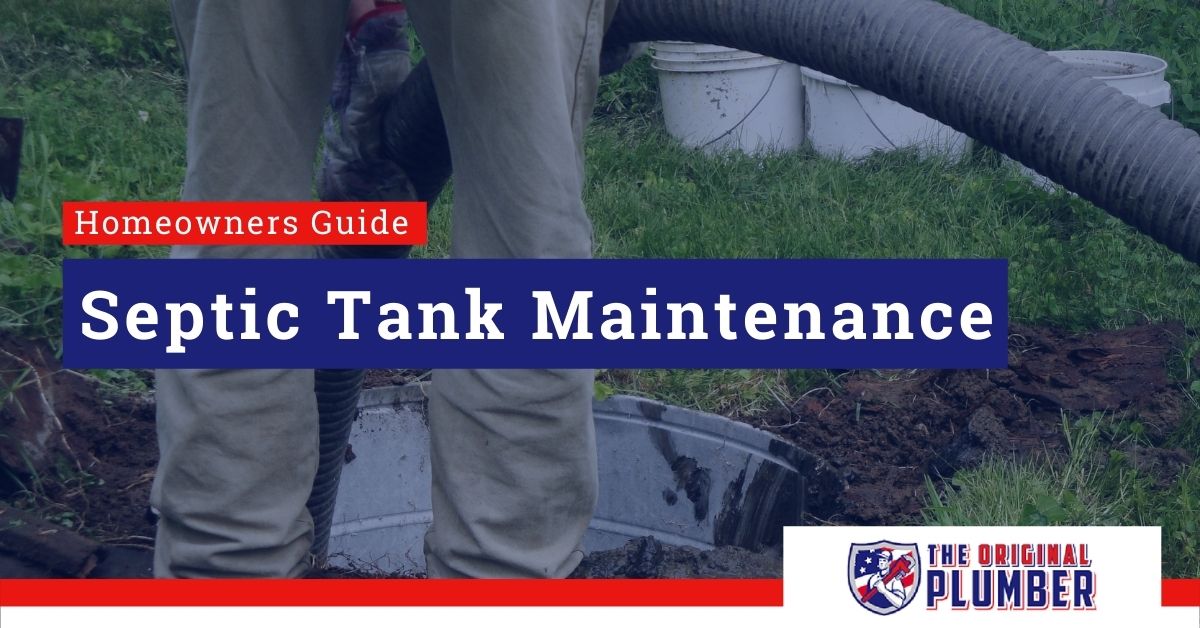
Keep Your Septic Tank Smelling Fresh: A Guide to Avoiding Odor Problems
Living with a septic system can be a rewarding experience, offering independence from public sewer systems. However, a common concern for many homeowners is the potential for unpleasant odors. While septic tanks are designed to break down waste effectively, neglecting proper maintenance can lead to foul smells wafting from your property. Fortunately, a few simple practices can help keep your septic system odor-free and functioning efficiently.
Understanding the Source of Septic Odors
The primary culprit behind septic odors is hydrogen sulfide gas, a byproduct of the bacteria breaking down waste in your tank. This gas can escape through cracks in the tank, vent pipes, or even seep into your home through drains. When you smell a rotten egg odor, it's a clear sign that your septic system needs attention.
Essential Maintenance for a Fresh-Smelling Septic System
Regular Inspections and Pumping
The cornerstone of a healthy septic system is regular maintenance. Schedule professional inspections every 3-5 years to check for any issues with your tank or drain field. Pumping out your septic tank every 3-5 years is crucial to remove accumulated sludge and prevent overflows. This proactive approach prevents the buildup of waste and reduces the likelihood of foul odors.
Water Conservation
Excessive water usage can overwhelm your septic system, leading to back-ups and foul smells. Be mindful of your water consumption. Take shorter showers, install low-flow showerheads and toilets, and fix any leaks promptly. By reducing water usage, you ensure your system functions effectively and minimizes odor problems.
Avoid Flushing Unnecessary Items
Your septic system is designed to handle human waste and toilet paper, but it's not a garbage disposal. Avoid flushing anything other than those essentials, including:
- Wipes (even those labeled flushable)
- Paper towels
- Disposable diapers
- Food scraps
- Grease and oil
Use Septic Tank Additives
Septic tank additives containing beneficial bacteria can help break down waste more effectively. These additives promote a healthier environment within your tank, reducing odor-causing compounds and improving overall performance. Consult with a septic tank professional for recommendations on suitable additives.
Maintain Your Drain Field
The drain field plays a crucial role in filtering wastewater from your septic tank. Avoid driving or parking heavy vehicles over the drain field area. Plant grass or other shallow-rooted vegetation over the field to help absorb water and discourage weeds. Regular inspection and maintenance of your drain field are essential for preventing odor issues and maintaining efficient drainage.
Addressing Septic Tank Odors When They Appear
Despite your best efforts, unpleasant odors might still arise. If you notice a foul smell coming from your septic system, don't ignore it. Here's how to handle the situation:
- Check for leaks: Look for any cracks or leaks in the septic tank, vent pipes, or drain field. Repair any leaks promptly to prevent odors from escaping.
- Use a deodorizer: Septic tank deodorizers can help neutralize unpleasant odors. Look for products specifically designed for septic systems and follow the manufacturer's instructions.
- Ventilate the area: Open windows and doors to circulate fresh air and dissipate odor molecules.
- Contact a professional: If you suspect a serious problem, such as a blocked pipe or a failing septic system, contact a qualified septic technician. They can diagnose the issue and recommend appropriate solutions.
Conclusion
Maintaining your septic tank doesn't have to be a chore. By implementing these simple practices, you can keep your septic system running smoothly and prevent unpleasant odors from permeating your home. Remember, a well-maintained septic system is a healthy system and a happy, odor-free home.
How to Get Rid of Stubborn Septic Tank Smells Using Removers
How to Get Rid of Stubborn Septic Tank Smells Using Removers
Ugh, that septic tank smell! It's a nightmare, isn't it? It can be so persistent and seems to linger in the air, even after you've cleaned your bathroom and kitchen. You might be tempted to just live with it, but fear not, there are ways to get rid of those stubborn smells. Let's dive in and explore the world of septic tank odor removers.
What Causes Septic Tank Smell?
First things first, let's figure out why your septic system is letting off those funky aromas. The smell typically comes from hydrogen sulfide gas, a byproduct of the natural breakdown of waste in your septic tank. Here are some common culprits:
- Full tank: If your tank is overflowing, waste can't break down properly, leading to a strong, foul odor.
- Clogged drain field: When your drain field gets clogged, wastewater backs up into your tank and the septic system, creating a breeding ground for bacteria and odors.
- Leaks: Cracks or holes in your septic tank or pipes can allow sewer gases to escape into your home or yard.
- Poor ventilation: A lack of proper ventilation in your septic system can trap odor-causing gases.
- Excessive use of chemicals: Certain harsh chemicals, like bleach or drain cleaners, can disrupt the natural bacteria in your septic system, throwing off the delicate balance and leading to unpleasant smells.
The Power of Septic Tank Odor Removers
Enter the mighty septic tank odor removers! These products, available in liquid, tablet, and powder forms, work to tackle those smelly gases and bacteria in a variety of ways. Here are the most common strategies:
- Enzymatic action: Many removers contain beneficial bacteria and enzymes that help break down waste and reduce odor-causing compounds.
- Odor neutralizers: These products contain fragrances and odor absorbers that mask or neutralize the smell, making your home smell fresher.
- Deodorizing agents: Some removers contain chemicals that react with the sulfur compounds in the gas, essentially converting them into odorless forms.
How to Choose the Right Septic Tank Odor Remover
With so many options available, it's important to pick the right remover for your needs. Consider the following factors:
- Septic system type: Some removers are specifically formulated for conventional septic systems, while others are designed for systems with leach fields or aerobic units.
- Odor severity: For mild odors, a simple odor neutralizer might be sufficient. However, for persistent or strong smells, you might need a product with more powerful enzyme or odor-absorbing capabilities.
- Ease of use: Liquid removers are typically easier to use, but tablets and powders can provide a longer-lasting effect.
- Environmental friendliness: Look for products that are biodegradable and safe for the environment.
Using Septic Tank Odor Removers Effectively
Now that you've chosen the right remover, let's ensure you use it effectively:
- Read the label carefully: Each remover has specific instructions for application and dosage. Follow them diligently to avoid harming your septic system.
- Treat the problem at the source: While removers can help mask smells, they won't address the underlying issue. If you have a full tank or a clogged drain field, these need to be addressed professionally.
- Maintain a regular schedule: For optimal results, use a septic tank odor remover regularly, as recommended on the product label.
- Keep an eye on your septic system: Regularly inspect your system for any signs of leaks or problems. Early detection can help prevent major issues.
What About Homemade Septic Tank Odor Removers?
You might be tempted by the allure of homemade remedies, but these can be risky for your septic system. While some ingredients like baking soda and vinegar may have minor deodorizing effects, they can actually disrupt the natural bacteria balance in your tank, leading to more odor problems in the long run.
Commonly Asked Questions
Do septic tank odor removers really work?
Yes, septic tank odor removers can be effective at reducing or eliminating odors, especially when used correctly. However, they won't solve underlying problems like a full tank or a clogged drain field.
How long do septic tank odor removers last?
The duration of effect varies depending on the product and the severity of the odor. Some removers provide temporary relief, while others offer longer-lasting results. Regular use can help maintain a fresh-smelling environment.
Are septic tank odor removers safe for the environment?
Not all removers are created equal. Some contain harsh chemicals that can be harmful to the environment. Look for products that are biodegradable and safe for your septic system and surrounding areas.
Can I use septic tank odor removers in combination with other products?
It's best to avoid combining different products unless specifically recommended by the manufacturer. Check the labels carefully and consult with a professional if you have any doubts.
Remember, keeping your septic system healthy is crucial for avoiding those unpleasant smells. Regular maintenance, using the right odor removers, and paying attention to your system's overall health will help you keep those unwanted aromas at bay and create a fresh, pleasant environment for your home.
How to Get Rid of Septic Tank Smell in the House Fast

How to Eliminate Septic Tank Smell in Your Home Quickly
A pungent, sewage-like odor wafting through your house is a sure sign of a septic system issue. This unpleasant scent not only diminishes your home's comfort but can also indicate a more serious problem lurking beneath the surface. Fortunately, with a combination of preventative measures and targeted solutions, you can effectively eliminate the septic tank smell and restore a pleasant atmosphere to your living space.
Understanding the Source of the Septic Tank Smell
Before diving into solutions, it's crucial to understand the root causes of septic tank odors. These smells typically arise from the release of hydrogen sulfide gas (H2S), a byproduct of bacterial decomposition in your septic tank. This gas can escape through various pathways, including:
1. Overflowing Septic Tank:
When your septic tank becomes overloaded, it can't effectively break down waste, leading to a buildup of smelly gases that are released into the air.
2. Clogged Drain Field:
The drain field, responsible for filtering wastewater, can become clogged with debris or grease, preventing proper drainage and causing backup and odors.
3. Faulty Vent Pipe:
A vent pipe helps release gases from the tank into the atmosphere. A clogged or damaged vent pipe can trap odors, leading them back into your house.
4. Cracks or Leaks in the Septic System:
Cracks or leaks in the septic tank or pipes can allow sewage to seep out and release foul odors.
Fast Solutions for Immediate Odor Relief
While addressing the underlying problem is essential, these quick fixes can provide immediate relief from the septic tank smell:
1. Flush with Water:
Flushing the toilet several times can help push the smelly gases down the drain and out of the vent pipe. This simple technique can often alleviate mild odors.
2. Use Baking Soda and Vinegar:
Pour a mixture of baking soda and vinegar down the drain to neutralize odors. The fizzing reaction helps break down organic matter and freshen the drain.
3. Baking Soda Paste:
Create a paste of baking soda and water and apply it to the affected area. Let it sit for a few minutes, then scrub with a brush and flush with water.
4. Essential Oils:
Add a few drops of citrus or pine essential oils to a bowl of water and place it near the source of the odor. The strong scent can mask the unpleasant smells temporarily.
5. Charcoal Briquettes:
Place activated charcoal briquettes in a bowl and leave them in the area where the odor is strongest. Activated charcoal absorbs odors, helping to neutralize them.
Long-Term Solutions to Eliminate Septic Tank Smell
While quick fixes can provide temporary relief, long-term solutions are necessary to address the root cause of the septic tank smell and prevent its recurrence:
1. Maintain Your Septic System:
Regular maintenance is crucial for preventing septic system problems. Here are some essential steps:
- Pumping: Have your septic tank pumped every 3-5 years to remove accumulated sludge and scum.
- Inspection: Schedule regular inspections to identify potential issues early on, such as cracks or leaks.
- Proper Waste Disposal: Avoid flushing non-biodegradable items down the toilet, as they can clog the system and contribute to odor problems.
- Water Use: Be mindful of your water usage and avoid overloading the septic system with excessive water.
2. Repair or Replace Faulty Components:
If the smell persists, inspect your septic system for potential problems. This might involve:
- Vent Pipe: Ensure the vent pipe is properly vented and not blocked by debris.
- Drain Field: Check for clogs in the drain field and consider replacing or repairing sections that are damaged.
- Septic Tank: Inspect the septic tank for cracks or leaks and consider replacing it if necessary.
3. Use Septic Tank Additives:
Septic tank additives can help break down waste more efficiently, reducing odor-causing bacteria and improving system performance. Look for products specifically designed for septic systems and follow instructions carefully.
4. Seek Professional Help:
If you're unable to pinpoint the cause of the odor or if the problem persists despite your efforts, it's best to consult a qualified septic system professional. They can diagnose the issue accurately and provide appropriate solutions.
Preventing Septic Tank Smell in the Future
By implementing these preventive measures, you can minimize the risk of unpleasant odors recurring in your home:
1. Avoid Flushing Non-Biodegradable Items:
Flushing items like wipes, paper towels, and cotton balls down the toilet can lead to clogs and odor problems. Stick to toilet paper and biodegradable waste.
2. Dispose of Grease and Oil Properly:
Grease and oil can solidify in the drain field and cause blockages. Pour them into a container and dispose of them properly.
3. Limit Water Usage:
Excessive water usage can strain your septic system. Consider taking shorter showers, using less water for laundry, and fixing any leaky faucets.
4. Maintain a Healthy Septic System:
Regular maintenance, as outlined earlier, is crucial for keeping your septic system functioning optimally and minimizing odor problems.
Conclusion
Septic tank odors can be a nuisance, but they don't have to be a persistent problem. By understanding the source of the smell and taking proactive steps to address it, you can effectively eliminate it and enjoy a fresh-smelling home. Remember, a well-maintained septic system is essential for a comfortable and healthy living environment.
Why Septic Tank Odors in Your House Can Be Dangerous for Your Health
Septic Tank Odors in Your House: A Health Hazard You Can't Ignore
The unmistakable stench of sewage wafting through your home is not only unpleasant, it's a serious health concern. This foul odor is a telltale sign of a septic system malfunction, potentially exposing you to harmful bacteria and gases that can compromise your well-being. While the thought of your septic tank's contents invading your living space might seem alarming, understanding the dangers and taking proactive steps is crucial for protecting your health.
Understanding the Risks of Septic Tank Odors
Septic tanks are designed to break down waste through a natural process of bacteria. However, when the system fails or is not properly maintained, these bacteria and their byproducts can escape into the surrounding environment, including your home. The odor you smell is only one symptom of a larger issue.
Exposure to Harmful Bacteria and Gases
Here's the real danger: the odors you smell carry harmful bacteria and gases that can be inhaled or absorbed through your skin.
- Bacteria: Septic tank odors indicate the presence of bacteria like E. coli and Salmonella, which can cause serious gastrointestinal illnesses.
- Gases: The breakdown of waste in the septic tank produces harmful gases, including methane, hydrogen sulfide, and ammonia. These gases can trigger respiratory problems, headaches, dizziness, and even neurological issues.
Health Risks for Vulnerable Groups
Infants, young children, the elderly, and people with weakened immune systems are particularly susceptible to the health risks associated with septic tank odors. Their bodies are less equipped to fight off infections, making them more vulnerable to the harmful bacteria and gases present in the air.
Identifying the Source of the Odor
Before you panic, it's important to determine the source of the odor. It might not always be a direct leak from your septic tank. Here's a guide to help you pinpoint the problem:
- Check your plumbing fixtures: A clogged drain or leaky pipe can create a foul odor. Inspect your sinks, toilets, and showers for signs of leaks.
- Examine your septic tank lid: Ensure the lid is securely sealed. If it's cracked or damaged, it could be letting in noxious fumes.
- Investigate your vent pipes: These pipes are designed to vent gases away from your home. A clogged vent pipe can trap gases and cause them to back up into your house.
Taking Action: Protecting Your Health
If you suspect your septic tank is the source of the odor, don't hesitate to take action. Here are some immediate steps you can take:
- Ventilate your home: Open windows and doors to allow fresh air to circulate.
- Call a professional: A septic tank inspector can assess the situation and recommend the necessary repairs or maintenance.
- Avoid exposure: Limit your exposure to the odor as much as possible. If you must be in the affected area, wear a mask to reduce your inhalation of harmful substances.
Prevention is Key: Maintaining Your Septic System
The best way to avoid septic tank odors and their associated health risks is to prevent them from occurring in the first place. Here's how to keep your septic system in top shape:
- Regular maintenance: Schedule regular inspections and pump outs to prevent sludge buildup.
- Limit harmful substances: Avoid pouring grease, chemicals, and excessive amounts of toilet paper down the drain.
- Monitor water usage: Avoid overloading the system with excessive water usage.
Don't ignore that foul odor. Septic tank odors are a serious health hazard that shouldn't be taken lightly. By understanding the risks, taking action, and prioritizing maintenance, you can protect yourself and your family from the dangers lurking beneath your home.
How to Get Rid of Septic Tank Smells in Your Backyard

How to Get Rid of Septic Tank Smells in Your Backyard: A Guide to a Fresher Outdoor Space
So, you're enjoying a beautiful day in your backyard, maybe grilling up some burgers or playing with the kids, when a strange odor hits your nose. You know that unmistakable scent â€" the one that screams "septic tank!" Ugh, it's the worst, isn't it? That lingering smell can quickly turn your backyard oasis into a smelly nightmare.
Don't worry, you're not alone. Septic tank smells are a common problem, and there are ways to get rid of them and reclaim your backyard paradise. Let's dive in and explore some solutions, from simple fixes to more involved approaches.
Understanding the Source of the Smell
Before we jump into solutions, let's understand what's causing that unpleasant odor. Septic tank smells typically arise from one or a combination of the following:
1. A Full Tank or Drain Field
Your septic system is designed to break down waste and send treated water to your drain field, where it naturally filters into the soil. When your tank or drain field is overloaded, the bacteria responsible for the breakdown process can't keep up. This leads to a buildup of solids and a release of unpleasant gasses.
2. Cracks or Leaks
Septic tanks and drain fields are often buried underground, making them prone to damage from shifting ground, tree roots, or age. Cracks or leaks can release septic waste and create those unwanted odors.
3. Improper Maintenance
Just like any system, your septic tank needs regular maintenance. If you're neglecting regular pumping and inspections, it can lead to a buildup of sludge and solids, contributing to odors.
Simple Fixes: DIY Solutions for a Fresher Backyard
Here's the good news â€" many simple solutions can help you tackle those pesky septic tank smells without calling in the pros. Give these a try:
1. Vinegar and Baking Soda
This classic cleaning duo can work wonders on septic odors. Pour a cup of baking soda down your toilet, followed by a cup of vinegar. The fizzing action helps break down odors and neutralize any lingering smells. Give this solution a try once a week for a fresh-smelling bathroom and a less-offensive backyard.
2. Borax
Borax is a natural mineral that can help deodorize your septic system. Add a cup of borax to your toilet bowl and let it sit overnight. The next day, flush it down, and repeat the process weekly to help absorb odors.
3. Activated Charcoal
Activated charcoal is known for its odor-absorbing properties. Place a bowl of activated charcoal near the source of the smell, like your septic tank lid or a nearby window. You can also try adding a handful of activated charcoal to your toilet bowl and flush it down, letting it sit for a few hours before flushing again.
4. Coffee Grounds
Coffee grounds are not just for your morning brew! They're also a fantastic natural deodorizer. Add a cup of coffee grounds to your toilet bowl and flush them down. You can also spread some around your septic tank lid to help absorb odors.
5. Ventilate the Area
Sometimes the simplest solutions are the best. If your septic tank is located in a confined space, consider adding a vent to improve air circulation. This can help prevent odors from accumulating and spreading.
When to Call a Professional
While those simple DIY fixes can sometimes do the trick, there are times when a professional septic system expert is necessary. Here are some signs you might need professional help:
1. Persistent Odor
If those simple solutions don't seem to do the trick, and you're still experiencing a strong, persistent septic odor, it's time to get a professional opinion.
2. Slow Drains
Slow drains can indicate a buildup in your septic system. A professional can inspect your tank and drain field to ensure everything is functioning correctly and identify any potential issues.
3. Gurgling Sounds
If you hear gurgling noises coming from your drains or septic system, it could signify a blockage or a leak. A professional septic technician can diagnose the problem and suggest a solution.
4. Pooling Water in Your Yard
Pooling water in your yard, especially near your septic system, can be a sign of a problem with your drain field. Professional inspection and repair are necessary to ensure your septic system is working properly and prevent environmental contamination.
Preventative Measures for a Smell-Free Backyard
Here are some tips to prevent septic smells from becoming a recurring issue:
1. Pump Regularly
Regular septic tank pumping is crucial for preventing odors and ensuring proper system function. The frequency of pumping depends on factors like household size and water usage, but a good rule of thumb is to have your septic tank pumped every 3-5 years.
2. Be Mindful of What You Flush
Avoid flushing non-biodegradable items like wipes, paper towels, and feminine hygiene products down the toilet. These items can contribute to blockages and create unpleasant odors.3. Minimize Grease and Oil
Grease and oil from cooking can accumulate in your septic system and lead to odor problems. Dispose of cooking grease and oil properly, for example, by pouring them into a sealed container and discarding them with your trash.
4. Watch Your Water Usage
Limit water-intensive activities like excessive watering or long showers. These activities can put extra strain on your septic system, contributing to odor problems.
5. Protect Your Drain Field
Avoid parking vehicles or heavy equipment over your drain field. Also, refrain from planting trees too close to your septic system, as their roots can damage the drain field.
Frequently Asked Questions
1. What if I can't find the source of the smell?
If you can't pinpoint the source, a septic tank inspector can help identify the problem and offer solutions.
2. Can I use bleach to get rid of septic smells?
While bleach can kill bacteria, it's not always recommended for septic systems. In some cases, it can harm the beneficial bacteria responsible for breaking down waste.
3. How often should I have my septic system inspected?
It's a good idea to have your septic system inspected at least once a year by a qualified professional. They can identify potential issues early on and prevent bigger problems down the road.
4. What if my septic tank is old?
If your septic tank is older, it's more prone to leaks or damage. Regular inspections and maintenance are essential for keeping an older septic system functioning properly and preventing odors.
Remember, a well-maintained septic system is a key ingredient in a healthy and enjoyable backyard experience. By understanding the causes of septic tank smells and implementing these solutions, you can reclaim your outdoor space and create a fresh, inviting atmosphere for everyone to enjoy.
Simple DIY Tips for Cleaning Your Septic Tank Without Pumping

Simple DIY Tips for Cleaning Your Septic Tank Without Pumping
Let's face it, nobody wants to think about their septic tank. It's hidden away, doing its dirty work, and we only think about it when it's acting up. But, like any essential system, your septic tank needs some TLC to keep it running smoothly.
Pumping your septic tank can be expensive and messy. But, did you know there are some simple DIY tricks to help keep your septic tank healthy without having to call a professional? Read on for some easy ways to prevent a costly septic tank disaster!
Understanding Your Septic System
Before we dive into the DIY tips, let's take a minute to understand how your septic system works. Basically, your septic tank is a big underground container that collects wastewater from your house. Bacteria in the tank break down the waste, separating it into solids and liquids. The solids settle at the bottom of the tank, forming sludge, while the lighter liquids (effluent) are discharged to the drain field.
The drain field is a series of underground pipes that allow the effluent to filter into the soil. This is where things can get tricky. If the drain field gets clogged, the wastewater can back up, leading to all sorts of nasty problems, including a smelly backyard.
DIY Septic Tank Maintenance Tips
With this basic understanding of your septic system, let's get to the good stuff: how to keep it happy and healthy without spending a fortune. Here are some simple DIY tips to help you avoid a septic tank crisis:
1. Don't Flush the Wrong Things
One of the biggest culprits in septic tank problems is what we flush down the toilet. Here’s a list of things that can clog up your system, creating problems for the beneficial bacteria that break down waste:
- Flushing wipes: Even if they're labeled "flushable," wipes often don't break down properly and can cause a blockage.
- Grease and oil: These substances solidify in your septic tank and can clog your drain field. Instead, pour them into a container and dispose of them properly.
- Hair: Hair can collect in your septic tank and create a mat of gunk that can disrupt the flow of wastewater.
- Medications: Never flush medications down the toilet. Many medications can harm the bacteria in your septic tank and contaminate the environment.
- Coffee grounds: Coffee grounds can form a thick sludge that clogs your drain field. Instead, compost them or add them to your garden.
- Disposable diapers: These can block your septic system and disrupt the bacteria that break down the waste. Use cloth diapers or dispose of them properly.
- Food scraps: While a small amount of food scraps can be handled by your septic system, try to avoid sending large amounts of food waste down the drain. Consider composting instead.
By being mindful of what you flush, you can significantly reduce the risk of clogging your septic system.
2. Minimize Water Use
Think of your septic system like a bathtub. If you overfill the tub, it will overflow. The same goes for your septic tank. If you use too much water, it can overwhelm your system and lead to problems. Here are some ways to conserve water and keep your septic system happy:
- Fix leaks: Check your faucets, toilets, and pipes for leaks and repair them promptly.
- Take shorter showers: A few minutes less under the shower head can make a big difference in your water usage.
- Use water-efficient appliances: Look for appliances with the WaterSense label, which means they use less water than standard models.
- Water your lawn efficiently: Water your lawn only when it needs it and use a watering can or a drip irrigation system to minimize water waste.
- Don't run the dishwasher or washing machine unnecessarily: Wait until you have a full load before running these appliances.
By reducing your water usage, you can lessen the strain on your septic system and extend the time between septic tank pumpings.
3. The Power of Bacteria
Remember those beneficial bacteria in your septic tank that are breaking down the waste? They are essential for keeping your septic system running smoothly. Here are some ways to keep your septic tank bacteria happy:
- Avoid harsh chemicals: Chemicals such as bleach, disinfectants, and drain cleaners can kill the bacteria in your septic tank. Try to use natural cleaners or products specifically designed for septic systems.
- Add septic tank additives: These additives can help boost the bacterial population in your tank, leading to more efficient waste breakdown. Look for products that contain beneficial bacteria.
4. Don't Forget the Drain Field
The drain field is just as important as the septic tank. Here are some simple ways to care for your drain field:
- Avoid parking vehicles on the drain field: The weight of vehicles can damage the pipes in your drain field.
- Don't plant trees or shrubs over the drain field: Their roots can grow into the pipes and cause blockages.
- Avoid adding excess water to the drain field: If you have a sump pump, make sure it discharges away from the drain field. And avoid watering your lawn excessively.
Signs of a Problem
Even with the best DIY efforts, your septic tank might still need some attention from a professional. Here are some signs that it’s time to call a septic tank professional:
- Slow drains: If your drains are slow to empty, it could be a sign that your septic tank is full.
- Gurgling sounds: Gurgling noises in your plumbing can be a sign of a blockage or a problem with your septic system.
- Sewage odors: If you smell sewage odors in your home or yard, it's a sure sign that something is wrong.
- Pooling water in your yard: If you see pooling water in your yard, especially near the septic tank or drain field, it could indicate a problem with your system.
If you notice any of these signs, call a professional immediately! Ignoring these issues can lead to serious and expensive repairs.
Conclusion
Taking care of your septic system doesn't have to be a daunting task. By following these simple DIY tips and being mindful of what you flush, you can keep your septic system running smoothly for years to come. And remember, if you see any signs of trouble, don't hesitate to call a septic tank professional.
Your septic tank is an important part of your home, so give it some TLC and it will reward you with many years of trouble-free service.
Why Does My Septic Tank Smell After Heavy Rain? Causes and Fixes

Why Does My Septic Tank Smell After Heavy Rain? Causes and Fixes
A foul odor emanating from your septic system, particularly after heavy rainfall, can be a cause for concern. This unpleasant smell signifies potential issues within your septic system that require attention. Understanding the reasons behind this post-rain stench and implementing appropriate solutions is crucial for maintaining the functionality and hygiene of your septic system.
Common Causes of Septic Tank Odor After Rain
Heavy rainfall can disrupt the delicate balance of your septic system, leading to various issues that contribute to unpleasant smells. Here are the most common reasons why your septic tank may smell after a downpour:
1. Overflowing Septic Tank
The most likely cause of a foul odor after heavy rain is a septic tank overflow. When rainfall saturates the ground, it can impede the drainage of wastewater from your septic tank to the leach field. This results in a buildup of wastewater within the tank, leading to an overflow and the release of unpleasant smells.
2. Leaking Septic Tank or Leach Field
Heavy rains can expose cracks or weak points in your septic tank or leach field, leading to leaks. These leaks allow wastewater to escape into the surrounding soil, creating a breeding ground for bacteria and causing a strong odor.
3. Clogged Drain Field
Rainwater can infiltrate the soil surrounding your drain field, causing it to become saturated. This saturation can clog the drain field's pipes, preventing proper wastewater distribution and leading to a backup and unpleasant smells.
4. Septic Tank Overload
While not directly caused by rain, heavy rain can exacerbate an already overloaded septic tank. The increased water volume from rain can push the wastewater levels higher, potentially causing a backup and odor.
5. Bacteria Growth
Heavy rain can wash debris and organic matter into your septic system. This debris provides nutrients for bacteria to thrive, leading to increased bacterial activity and a stronger odor.
Troubleshooting and Solutions
Addressing the underlying cause of the septic tank odor is essential for restoring the functionality and hygiene of your system. Here's a step-by-step approach to troubleshooting and resolving the problem:
1. Inspect for Overflow
Start by carefully inspecting your septic tank for any signs of overflow. Look for wastewater pooling around the tank or emerging from the lid. If you see any signs of overflow, it's crucial to address the issue immediately.
2. Check for Leaks
Thoroughly inspect your septic tank and drain field for any visible leaks. Look for cracks, broken pipes, or areas where the soil is saturated or smells of wastewater. Repair any leaks promptly to prevent further contamination.
3. Evaluate Drain Field Performance
Assess the performance of your drain field by observing the surrounding soil. If the soil is persistently saturated or shows signs of wastewater seepage, your drain field may be clogged or malfunctioning. Consider professional evaluation and potential repairs or replacement.
4. Reduce Septic Tank Load
Minimize the strain on your septic system by reducing the volume of wastewater entering the tank. Avoid excessive water usage, such as long showers or frequent laundry cycles. Use water-saving appliances and fixtures.
5. Use Septic Tank Additives
Utilize septic tank additives that contain beneficial bacteria. These bacteria help break down organic matter, reduce odor, and improve the overall efficiency of your septic system. Consult with a septic system professional for recommendations.
Professional Assistance
If you're unable to identify or resolve the cause of the septic tank odor, it's highly recommended to seek professional assistance. A qualified septic system professional can conduct a thorough inspection, diagnose the problem, and implement appropriate solutions.
1. Septic System Inspection
A professional can perform a comprehensive inspection of your septic system, including the tank, drain field, and surrounding areas. This inspection will help identify any underlying problems or potential issues that may be contributing to the odor.
2. System Repair or Replacement
Based on the inspection results, the professional can recommend necessary repairs or replacements for your septic system. This may include repairing leaks, unclogging drain fields, or replacing aging components.
3. Maintenance Recommendations
A professional septic system specialist can provide recommendations for ongoing maintenance practices to help prevent future problems and ensure the longevity of your septic system.
Preventing Future Problems
To minimize the risk of unpleasant septic tank odors and ensure the long-term health of your system, consider implementing these preventive measures:
- Regularly inspect and maintain your septic system. Schedule professional inspections and cleaning every 3-5 years, or more frequently if necessary. This will help catch problems early and prevent them from escalating.
- Avoid flushing non-biodegradable items down the toilet. These items can clog your pipes and damage your septic system. This includes items like sanitary wipes, paper towels, disposable diapers, and feminine hygiene products.
- Limit the amount of grease and oil you pour down the drain. Grease and oil can solidify in your pipes, creating blockages and contributing to unpleasant odors.
- Be mindful of your septic system's capacity. Avoid excessive water usage during periods of heavy rain or when your septic system is nearing its capacity.
- Keep vegetation away from your septic tank and drain field. Excessive plant roots can penetrate the system, causing damage and leaks.
Conclusion
A foul odor emanating from your septic tank after heavy rain can be a sign of serious issues within your system. Identifying and addressing the underlying cause is crucial for restoring functionality and maintaining the hygiene of your septic system. Regular maintenance, proper usage, and professional assistance can help prevent these problems and ensure the long-term health of your septic system.
How to Control Septic Tank Smells in the Yard and Garden

Conquering Septic Tank Smells: A Guide to Fresh Air and a Fragrant Garden
A septic system is an essential part of many homes, efficiently handling wastewater. However, when its delicate balance is disrupted, unpleasant odors can permeate your yard and garden, turning your outdoor haven into a stinky nightmare. Fear not! You can reclaim your space and enjoy the fresh air once again with a proactive approach to managing septic tank smells.
Understanding the Source of the Smell
Septic tank odors typically stem from a buildup of hydrogen sulfide gas, a byproduct of bacterial decomposition. This gas escapes through vents, pipes, and even the soil around the tank. Several factors can contribute to the intensification of these smells, including:
Overloading the System
Excessive waste entering the tank can overwhelm the bacteria responsible for decomposition, leading to a buildup of foul-smelling gases. This overload can be caused by infrequent pumping, excessive water usage, or improper disposal of certain substances like grease, oil, and medications.
Septic Tank Age and Maintenance
As septic systems age, their components, such as the tank, drain field, and pipes, can degrade, creating cracks and leaks that allow odors to escape. Regular maintenance, including pumping, inspection, and repairs, is crucial to prevent odors.
Improper Ventilation
Proper ventilation is essential to expel gases safely and effectively. Blockages or insufficient ventilation can trap odors and release them into your yard.
Taming the Stench: Effective Strategies for Odor Control
Now that you understand the root causes, let's explore practical solutions to combat septic tank smells and restore your yard's pleasant aroma.
Regular Septic Tank Pumping
The most effective solution is to schedule regular septic tank pumping, typically every 3-5 years, depending on your system's size and usage. Pumping removes accumulated sludge and solids, preventing overloads and reducing odor production.
Proper Waste Disposal
Avoid flushing items that can disrupt the bacterial balance and create odor-producing conditions. These include:
- Grease and oil
- Coffee grounds
- Hair and food scraps
- Non-biodegradable wipes
- Certain medications and chemicals
Inspect and Maintain Your System
Regular inspections by a qualified professional can identify and address any leaks, cracks, or other issues that could be causing odors. Timely repairs can prevent further deterioration and odor release.
Improve Ventilation
Ensure your septic system's ventilation is working properly. Inspect vents for blockages and consider installing additional vents if necessary. Proper ventilation allows gases to escape safely and prevent buildup.
Natural Remedies for Odor Control
In addition to these preventative measures, you can employ natural remedies to neutralize odors around your septic tank and in your garden:
Plant Odor-Absorbing Plants
Certain plants, such as lavender, rosemary, and mint, have natural odor-absorbing properties. Planting them near the tank can help mask unpleasant smells.
Use Baking Soda and Vinegar
Sprinkle baking soda around the tank's lid or vent to absorb odors. You can also pour a mixture of vinegar and baking soda down the drain for a natural cleaning solution.
Utilize Activated Charcoal
Place activated charcoal bags near the tank or in your garden to absorb odors naturally.
When to Seek Professional Help
If persistent or severe odors persist despite these measures, it's crucial to contact a qualified septic professional. They can diagnose any underlying problems and recommend appropriate solutions.
By understanding the root causes of septic tank smells and employing these practical strategies, you can effectively control odors and enjoy a fresh, fragrant garden once more. With proper care and attention, your septic system can remain a reliable part of your home, working silently and efficiently while you bask in the fresh air of your beautiful yard.
How to Fix Septic Tank Odors and Improve Your Home’s Air Quality
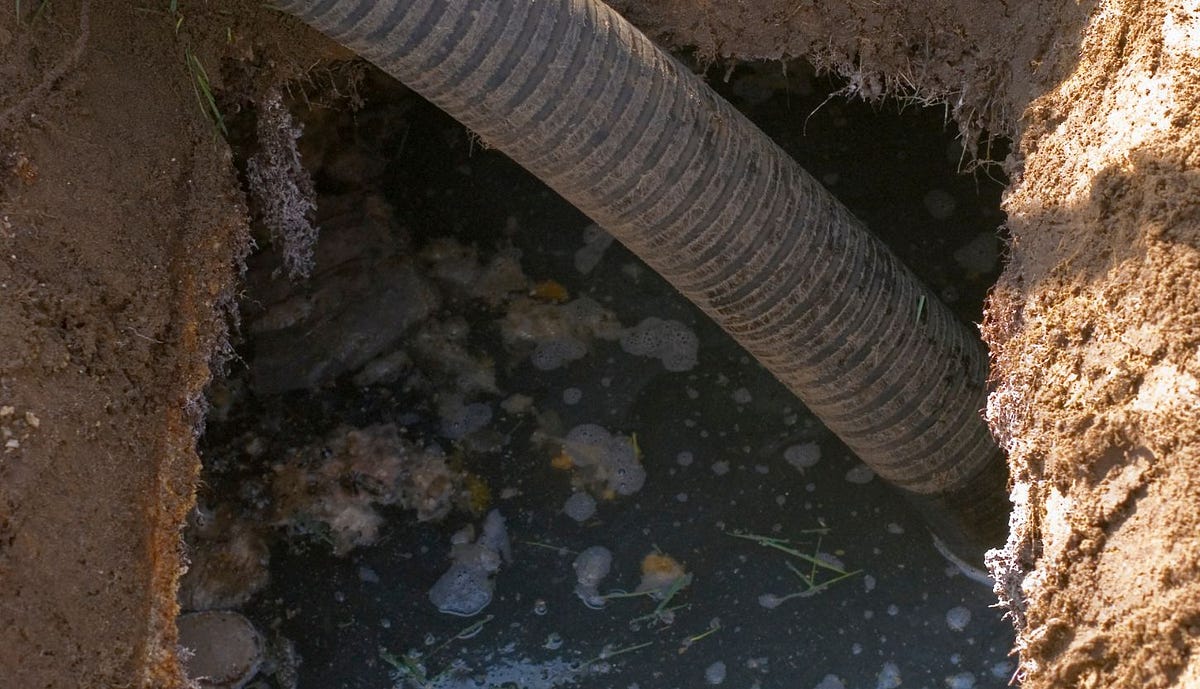
How to Fix Septic Tank Odors and Improve Your Home’s Air Quality
Let's face it, a smelly septic system is nobody's idea of a good time. It's not only unpleasant, but it can also raise concerns about your home's air quality and overall health. But don't worry, you don't have to resign yourself to a life of stinky laundry and unpleasant surprises! We'll dive into the common culprits behind those offensive odors and explore effective solutions to banish them once and for all.
Understanding the Source of the Smell
Before we jump into solutions, it's important to understand where those septic tank odors are coming from. Your septic system is essentially a mini-ecosystem, working hard to break down waste. The key players in this process are bacteria. When things are running smoothly, these helpful microbes do their job efficiently, breaking down waste into harmless byproducts. However, sometimes things can get a little out of whack, leading to those unwanted odors. Here are some common culprits:
1. Overloading the System
Think of your septic tank like a bathtub. If you keep pouring water in without letting it drain, you'll eventually have an overflowing mess. Similarly, if you overload your septic system with too much waste, it can't keep up. This leads to sewage backup, which is a breeding ground for odor-producing bacteria.
2. Clogged Drain Fields
Your septic system has a drain field, a network of underground pipes that allow treated wastewater to filter back into the ground. If these pipes become clogged, the treated wastewater can't drain properly, leading to backups and those unpleasant odors.
3. A Broken Vent Pipe
Your septic system has a vent pipe that releases gases from the tank. If this pipe is broken or blocked, the gases can be released into your home. This is especially problematic if the vent is located near your laundry room, where the odor can linger on your clothes.
4. Aging System
Just like anything else, septic systems age and eventually need repairs or replacement. If your system is old and worn out, it may not be able to function properly, leading to odor problems.
Tackling Septic Tank Odors: Solutions You Can Implement
Now that you understand the potential causes of those annoying odors, let's look at some practical solutions to banish them for good:
1. Preventative Measures
The best way to deal with septic tank odors is to prevent them from happening in the first place. Here's what you can do:
- Limit Water Usage: Be mindful of your water consumption. Avoid long showers, unnecessary laundry loads, and using the garbage disposal.
- Use Septic-Safe Products: Opt for septic-safe cleaners and detergents that won't disrupt the delicate balance of bacteria in your system.
- Regular Inspections and Maintenance: Get your septic system inspected every 3-5 years. A qualified professional can identify potential problems before they lead to major issues and odors.
2. Home Remedies
If you're already dealing with odors, try these simple home remedies:
- Baking Soda and Vinegar: Pour a cup of baking soda down your toilet, followed by a cup of white vinegar. Let it fizz for a few minutes before flushing.
- Enzyme Treatments: Enzyme treatments are available at most hardware stores. These products contain bacteria that help break down waste and reduce odor. Follow the instructions carefully.
- Ventilation: Improve ventilation around your septic system. Clear any obstructions near the vent pipe.
- Activated Charcoal: Place a bowl of activated charcoal near the source of the odor. This will help absorb odors.
3. Professional Help
If the odor persists, it's time to call in the professionals. A qualified septic system technician can:
- Inspect and Diagnose the Problem: They can pinpoint the source of the odor and determine if any repairs are needed.
- Pump Out the Tank: If the tank is full, they can pump it out to prevent overflows and reduce odors.
- Clean and Repair the Drain Field: If the drain field is clogged, they can clean it out or repair any damaged pipes.
- Replace the System: If your system is old and beyond repair, they can replace it with a new one.
The Importance of Clean Air
Fixing septic tank odors isn't just about eliminating an unpleasant smell. It's also about improving your home's air quality and your family's health. Septic system odors can contain harmful gases like hydrogen sulfide, which can cause headaches, nausea, and respiratory problems.
Taking Action Today
Don't wait for those septic tank odors to become unbearable. Take steps now to prevent them and protect your home's air quality. With a little preventative care and the right solutions, you can enjoy a fresh and odor-free environment.
Remember, it's always best to consult a professional for any significant issues with your septic system. They have the expertise to diagnose the problem and recommend the best course of action.
The Best Septic Tank Odor Eliminators for a Fresh Yard
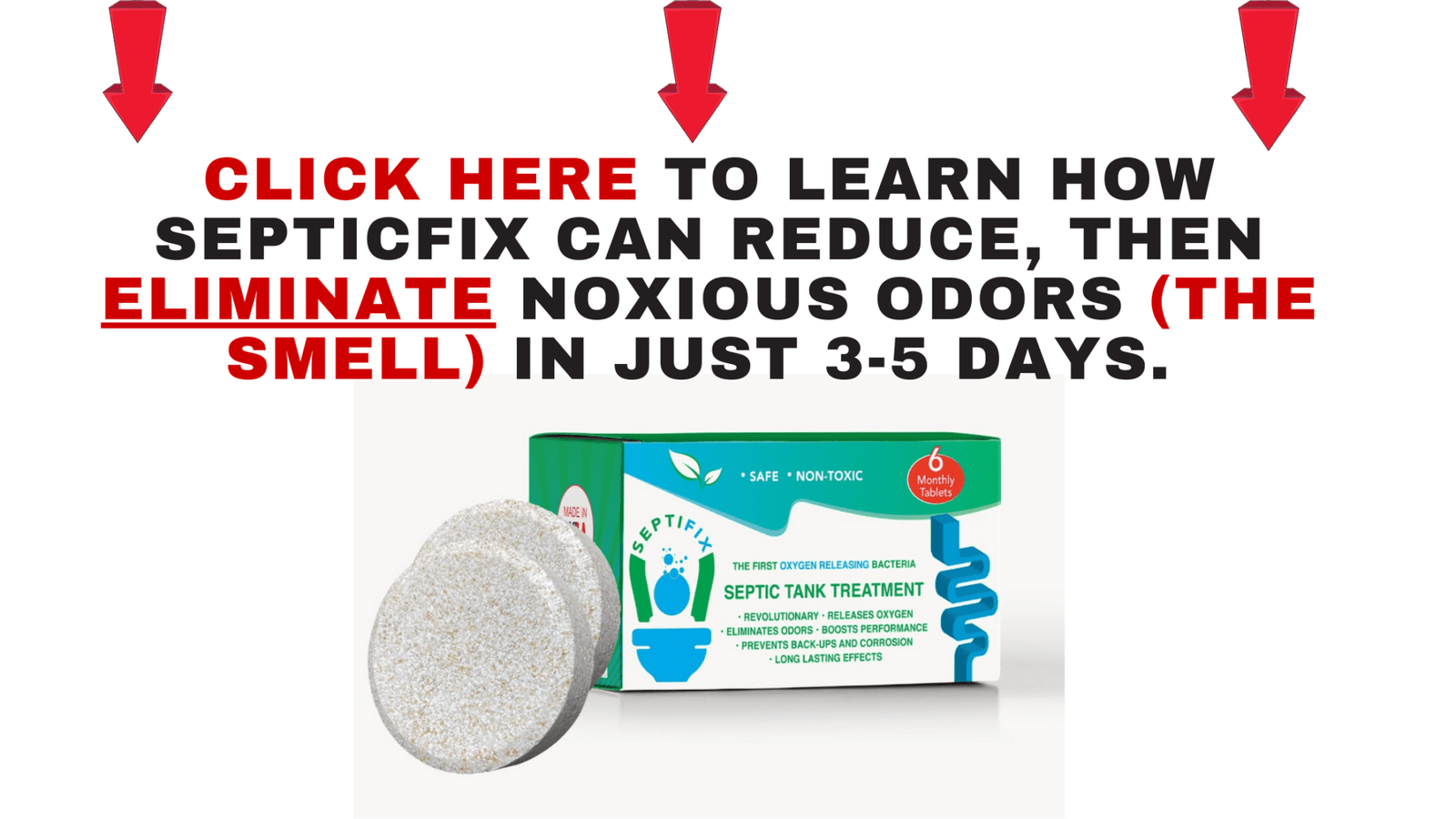
The Best Septic Tank Odor Eliminators for a Fresh Yard
A well-maintained septic system should be odorless. However, over time, the bacteria in your tank may begin to break down waste inefficiently, resulting in unpleasant odors that emanate from your yard. These odors can be embarrassing, especially when entertaining guests, and can even signify underlying issues with your septic system. While it’s important to address the root cause of the problem, utilizing effective odor eliminators can provide temporary relief and a fresh scent until you can schedule a professional inspection and maintenance.
This guide will delve into the best septic tank odor eliminators available, providing you with insights into their effectiveness, application, and safety considerations. We will also explore the underlying causes of septic tank odors and how to prevent them in the future.
Understanding Septic Tank Odors
Septic tank odors are usually a sign of a system that’s struggling to decompose waste effectively. Several factors can contribute to this:
- Overloading: When the septic tank is overloaded with waste, it can lead to a build-up of organic matter, promoting the growth of bacteria that produce unpleasant odors.
- Poor Aeration: Lack of proper aeration can cause anaerobic bacteria to thrive, leading to hydrogen sulfide gas, responsible for the rotten egg smell.
- Clogged Drain Field: A blocked drain field can impede the flow of wastewater from the tank, leading to a back-up and unpleasant odors.
- Improper Maintenance: Neglecting regular maintenance, such as pumping the tank, can contribute to odor issues.
Types of Septic Tank Odor Eliminators
There are various septic tank odor eliminators available, each with its own advantages and disadvantages. Here are some of the most common types:
1. Biological Treatment Products
These products contain beneficial bacteria and enzymes that break down organic waste in the septic tank, reducing the amount of odor-causing compounds. Biological treatment products typically come in liquid or powder form and are added directly to the septic tank.
- Pros:
- Natural and environmentally friendly.
- Can improve the overall efficiency of the septic system.
- Long-lasting results.
- Cons:
- May require consistent use for optimal effectiveness.
- Can be more expensive than other options.
2. Chemical Odor Neutralizers
Chemical odor neutralizers work by masking the odor with a strong fragrance, creating a temporary illusion of freshness. These products are typically available in liquid or solid form and can be added to the septic tank or sprinkled over the drain field.
- Pros:
- Fast-acting and effective at masking odors.
- Relatively inexpensive.
- Cons:
- May not address the root cause of the odor.
- Can be harmful to the beneficial bacteria in the septic tank.
- May create a temporary masking effect rather than true odor elimination.
3. Odor-Absorbing Products
These products, often in granular or gel form, utilize a combination of materials like activated carbon or zeolites to absorb odor molecules. They can be placed in the septic tank, near the drain field, or even inside the house where the odor is most noticeable.
- Pros:
- Long-lasting effectiveness.
- Can be used in conjunction with other odor eliminators.
- Cons:
- May need to be replaced regularly.
- May not be effective against very strong odors.
Choosing the Right Odor Eliminator
Selecting the most effective odor eliminator requires understanding the specific needs of your septic system. Here are some factors to consider:
- Severity of the odor: For mild odors, a simple biological treatment product or odor-absorbing product might suffice. However, if the odor is strong, a combination approach with a biological treatment and an odor neutralizer may be necessary.
- Type of septic system: Some products are specifically designed for certain types of septic systems. Check the product label for compatibility with your system.
- Environmental considerations: Opt for environmentally friendly products, especially biological treatments, to minimize the impact on your lawn and surrounding environment.
- Cost: While some products are more expensive upfront, they may provide longer-lasting results and save you money in the long run.
How to Use Septic Tank Odor Eliminators
The application of septic tank odor eliminators varies depending on the product type. Refer to the product instructions for specific usage guidelines. However, here are some general tips:
- Biological Treatment Products: Add the recommended amount of product to the septic tank inlet or directly into the tank, following the manufacturer’s directions.
- Chemical Odor Neutralizers: Pour the solution directly into the septic tank inlet or sprinkle the solid form near the drain field.
- Odor-Absorbing Products: Place the granules or gel in the septic tank, around the drain field, or in a container near the source of the odor.
Safety Precautions
Using septic tank odor eliminators safely is crucial. Always follow these precautions:
- Read the product label carefully: Pay attention to application instructions, safety warnings, and potential hazards.
- Wear protective gear: Use gloves and eye protection when handling chemicals or biological treatment products.
- Keep children and pets away: Store all products out of reach of children and pets to prevent accidental ingestion or contact.
- Dispose of used products properly: Follow the manufacturer’s recommendations for disposal, as some products may be harmful to the environment.
Preventing Septic Tank Odors
While odor eliminators offer temporary relief, proactive measures are essential to prevent recurring odors. Here are some preventative tips:
- Regular pumping: Have your septic tank pumped every 3-5 years, or more frequently if necessary, to prevent overloading and odor issues.
- Limit the use of harsh chemicals: Avoid pouring excessive amounts of chemicals like bleach, paint thinners, or harsh cleaners down the drain, as they can kill beneficial bacteria and create odors.
- Proper disposal of grease and oil: Do not pour grease or oil down the drain. These substances can solidify and create blockages that lead to odor issues.
- Avoid excessive water use: Conserve water to avoid overloading your septic system.
- Inspect the drain field: Regular inspections can help identify any clogs or blockages that could contribute to odor problems.
In conclusion, septic tank odor eliminators can provide a temporary solution to unpleasant odors, but it’s essential to address the underlying cause for long-term relief. By understanding the different types of products, their strengths and weaknesses, and implementing preventative measures, you can create a fresh and odor-free yard while ensuring the longevity and efficiency of your septic system.
Remember, regular maintenance and professional inspections are crucial to maintain a healthy and odor-free septic system. If you experience persistent odors or have concerns about your septic system’s performance, consult with a qualified professional for expert advice and solutions.